

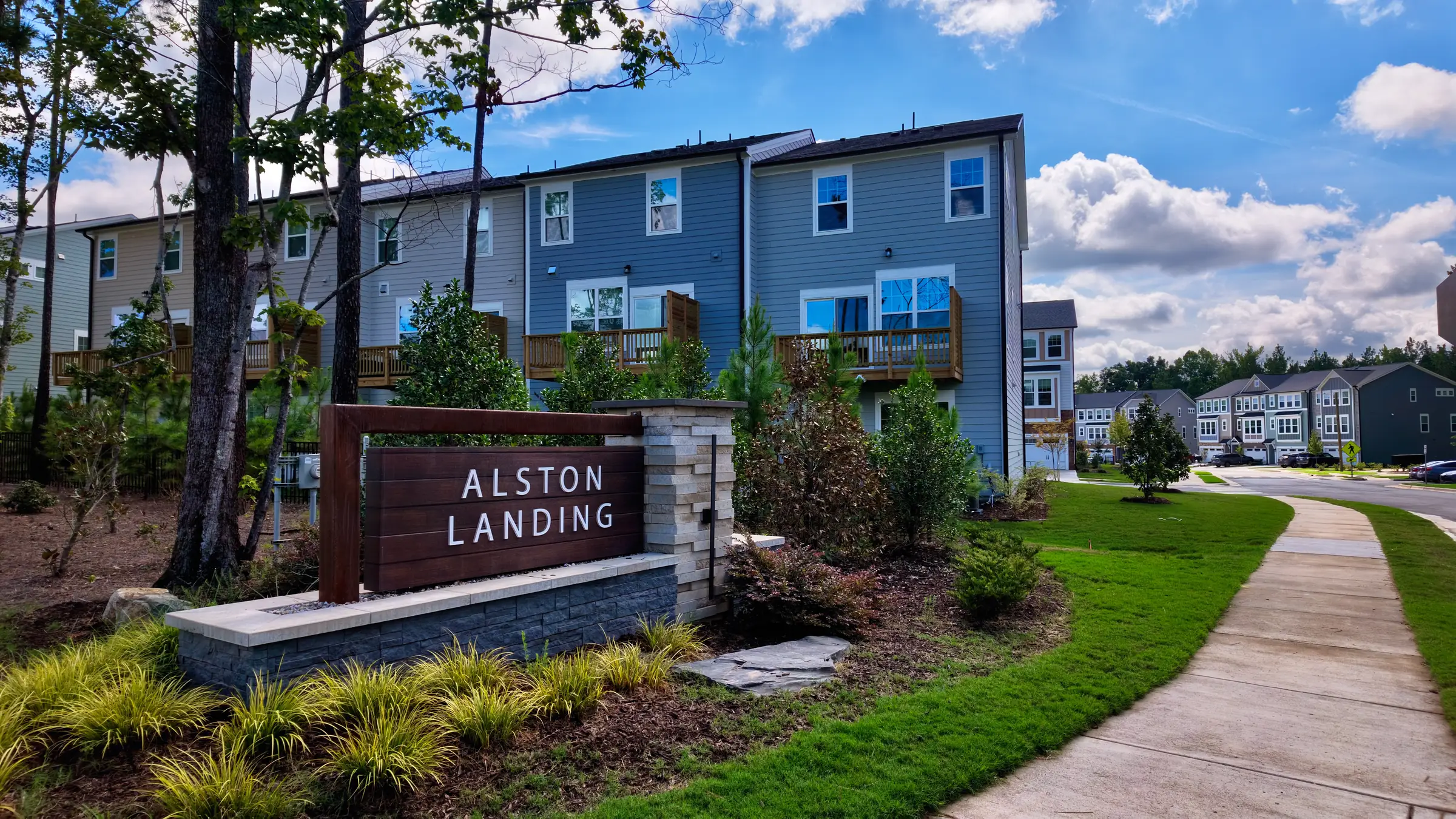
New construction is the dominant product in west Cary, Apex and much of Morrisville, and at the top of the market it is sold through a process designed to be enjoyable: a base price, a model home, and an appointment where you choose everything.
The appointment is where the margin lives. Here is what to establish before you get to it.
What is structural and what is a finish?
The single most useful distinction. Structural options — ceiling height, window size and placement, a wall moved, a foundation change, roof geometry — have to be decided early and cannot be revisited. Finishes can be changed later at your own pace and at your own cost.
Money spent on structure buys something that cannot be added afterwards. Money spent on finishes buys something you will probably change in fifteen years anyway.
Most buyers spend their upgrade budget the other way round, because the finishes are what the design center is set up to sell and the structural decisions were made in a conversation weeks earlier that felt administrative.
What does the base house actually include?
Ask for the standard specification in writing, item by item, and compare it against the model home. The model is almost never the base house; it is the house with everything, and it is built to be photographed.
Specific things to pin down: insulation values, window specification and glazing, HVAC sizing and zoning, water heater type and capacity, subfloor and framing specification, whether the garage is insulated, and what the standard is for interior doors and trim.
None of these are visible in the model home unless you ask, and all of them are expensive to change later.
Who built the last phase, and can I see it?
Trade crews change between phases, and a builder’s reputation is only as current as the people currently doing the work.
Ask which phase completed most recently and walk it. Better, knock on a door. Owners two years in are the single best source of information about a builder that exists, and they are usually happy to talk.
What is approved for the land next to me?
The most consequential question and the one least often asked.
Find out what is platted, what is approved and what is proposed within a reasonable radius. A wooded rear boundary is only permanent if someone has made it permanent. Living beside an active build-out for three years is a real cost, and buying a lot backing onto land that turns out to be phase four is a common and avoidable disappointment.
Can I have an independent inspection, including pre-drywall?
Yes, and you should, and the answer to this question tells you something about the builder regardless of the inspection’s findings.
A pre-drywall inspection is the only opportunity to see framing, mechanical runs, and flashing before they disappear. It is inexpensive relative to the purchase and it is the one inspection that cannot be repeated later.
A builder’s own quality process is not a substitute for someone whose client is you.
What is the warranty, precisely?
Not “a builder’s warranty” — the document. What is covered, for how long, what the claim process is, who performs the work, and what the exclusions are. Read the exclusions first; they are where the document actually lives.
And the one that gets skipped
Ask what happens if the build runs late.
Delivery dates slip for ordinary reasons — weather, inspections, supply. What matters is what the contract says happens to your deposit, your rate lock and your position if the house is three months later than promised. If you are also selling a house to fund the purchase, that clause is not a technicality. It is the whole sequencing plan.