

 Placeholder image. FPO
Cary · Wake County
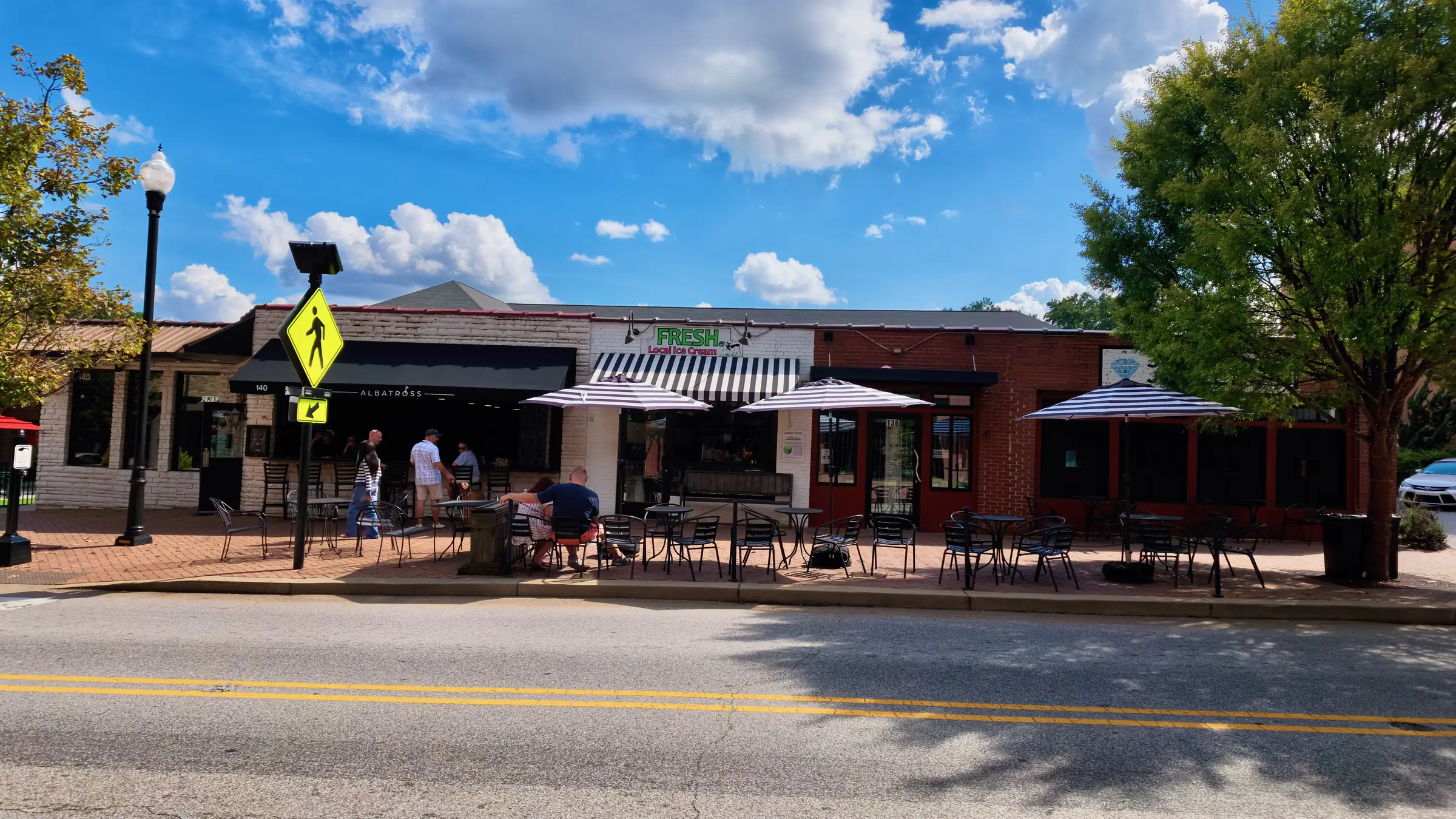
Downtown Cary
Cary spent fifteen years and a great deal of money building a downtown worth walking to. The housing around it has not caught up in quantity, which is the whole story of this market.
Start with the geography, because it is small
- The walkable core is a handful of blocks around the intersection of Academy Street and Chatham Street.
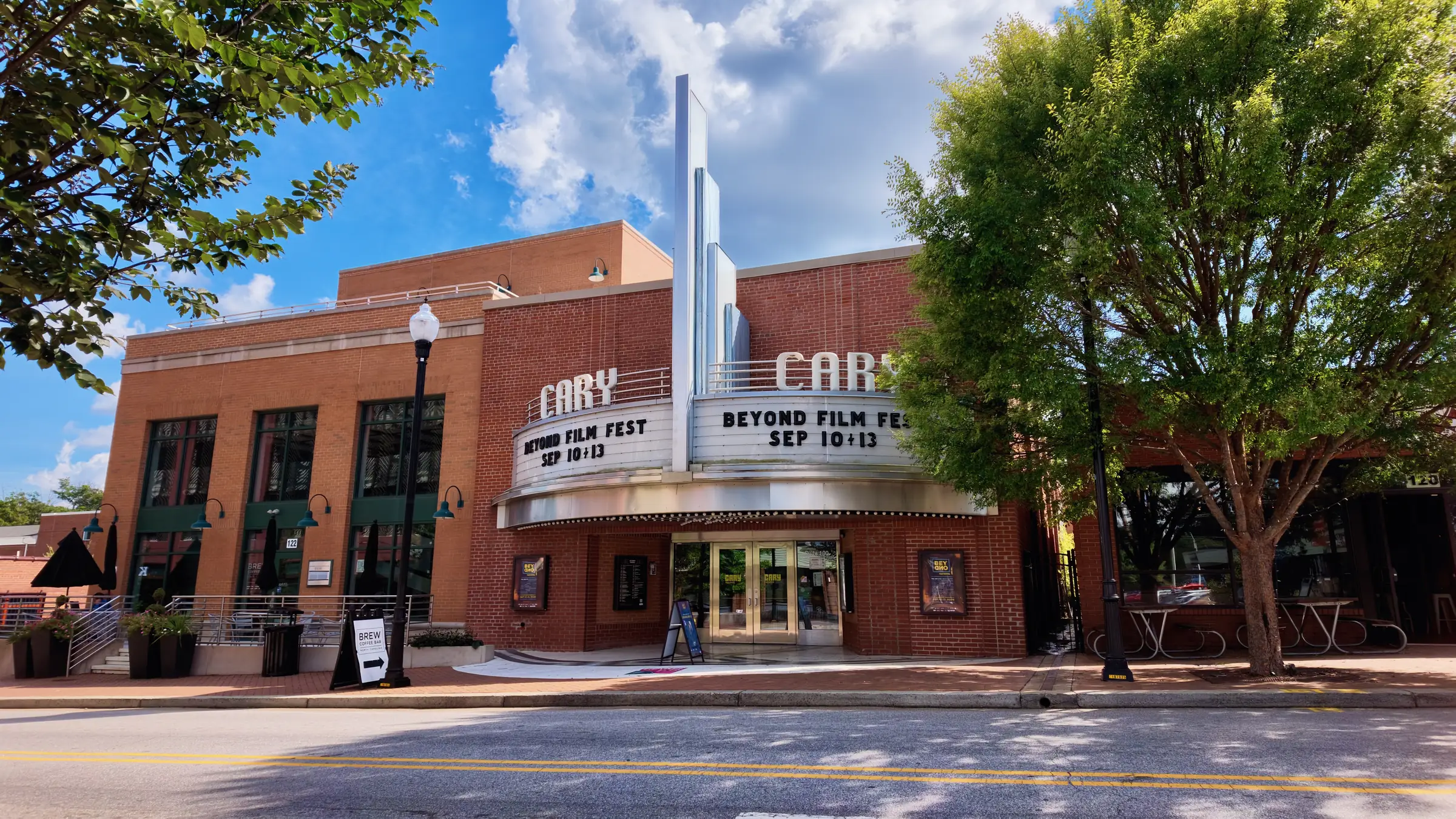
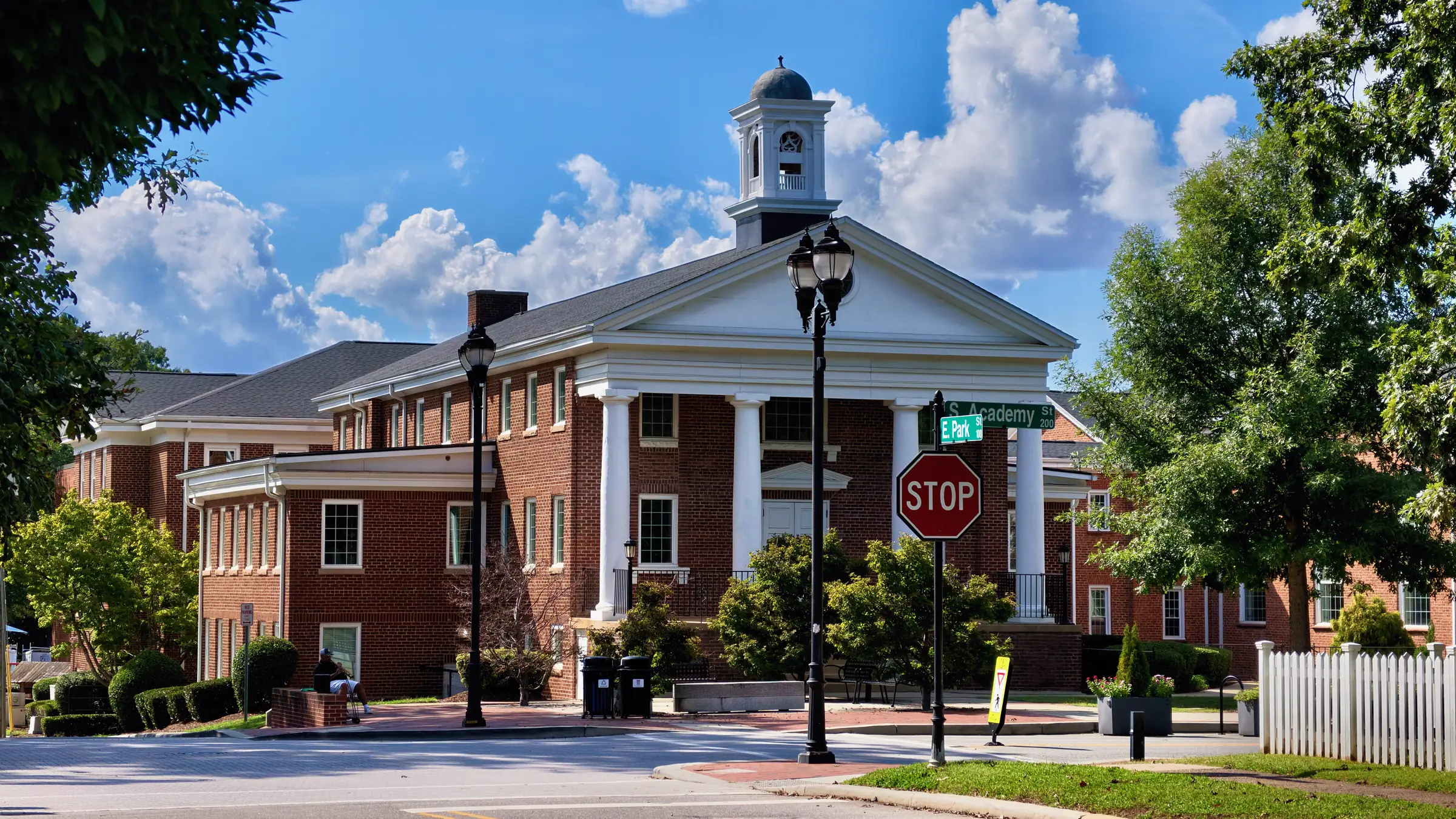
- The Cary Arts Center occupies the former high school building; the Page-Walker Arts and History Center sits near the rail line; the Cary Theater is on Chatham Street.
- Downtown Cary Park opened in 2023 on land immediately west of Academy Street, and it changed the center of gravity of the district.
- The Amtrak platform is a short walk from Academy Street, on the Carolinian and Piedmont services toward Raleigh, Durham, Greensboro and Charlotte.
There is no formal residential boundary. In practice the market people mean is the area within about a ten-minute walk of Academy and Chatham.
There is exactly one part of Cary where you can leave the car for a whole weekend.
It is about six blocks across, and everyone who wants it already knows that.
How downtown compares with the rest of the town is set out in the Cary buyer’s guide.
What actually changed downtown?
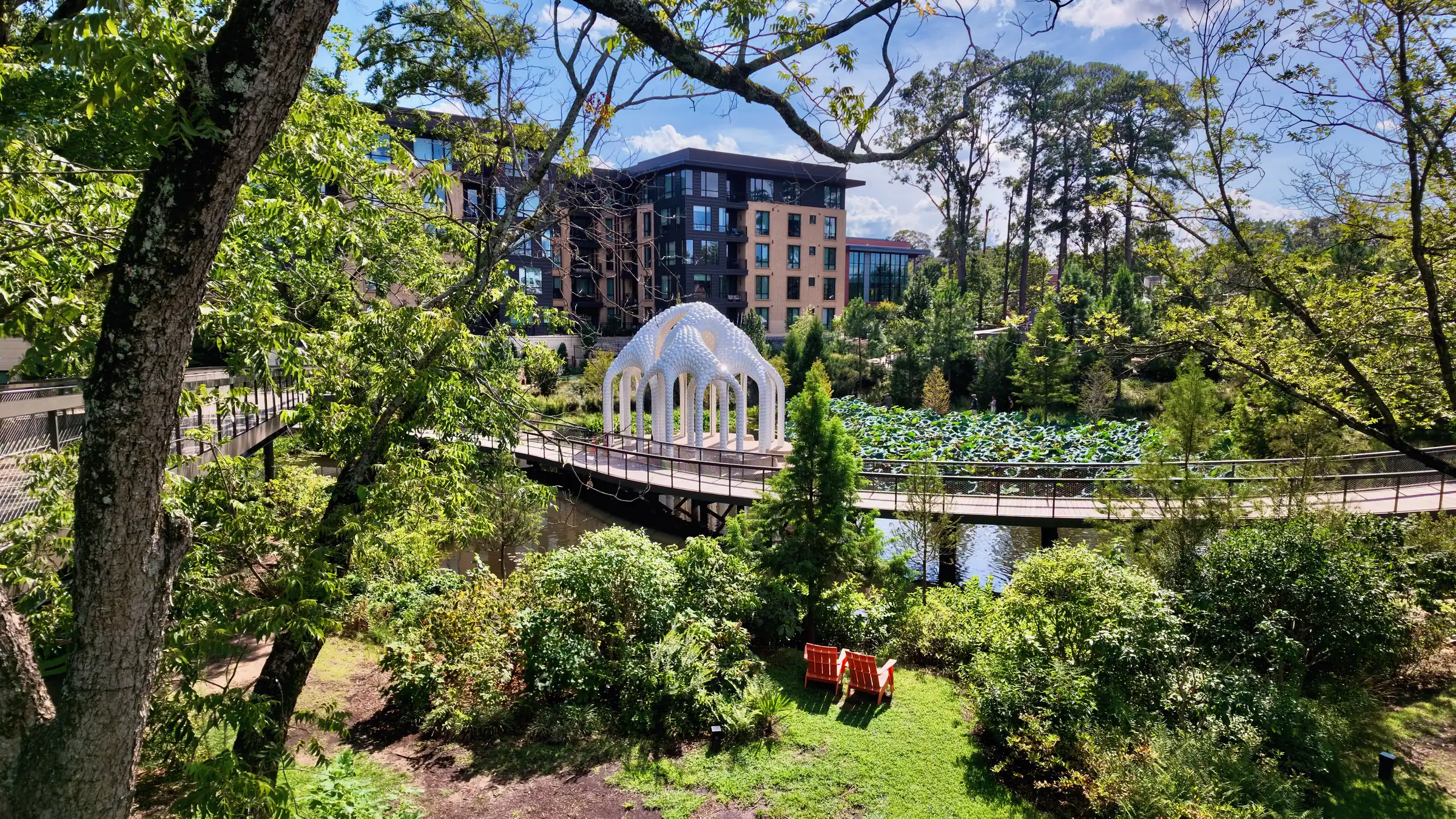
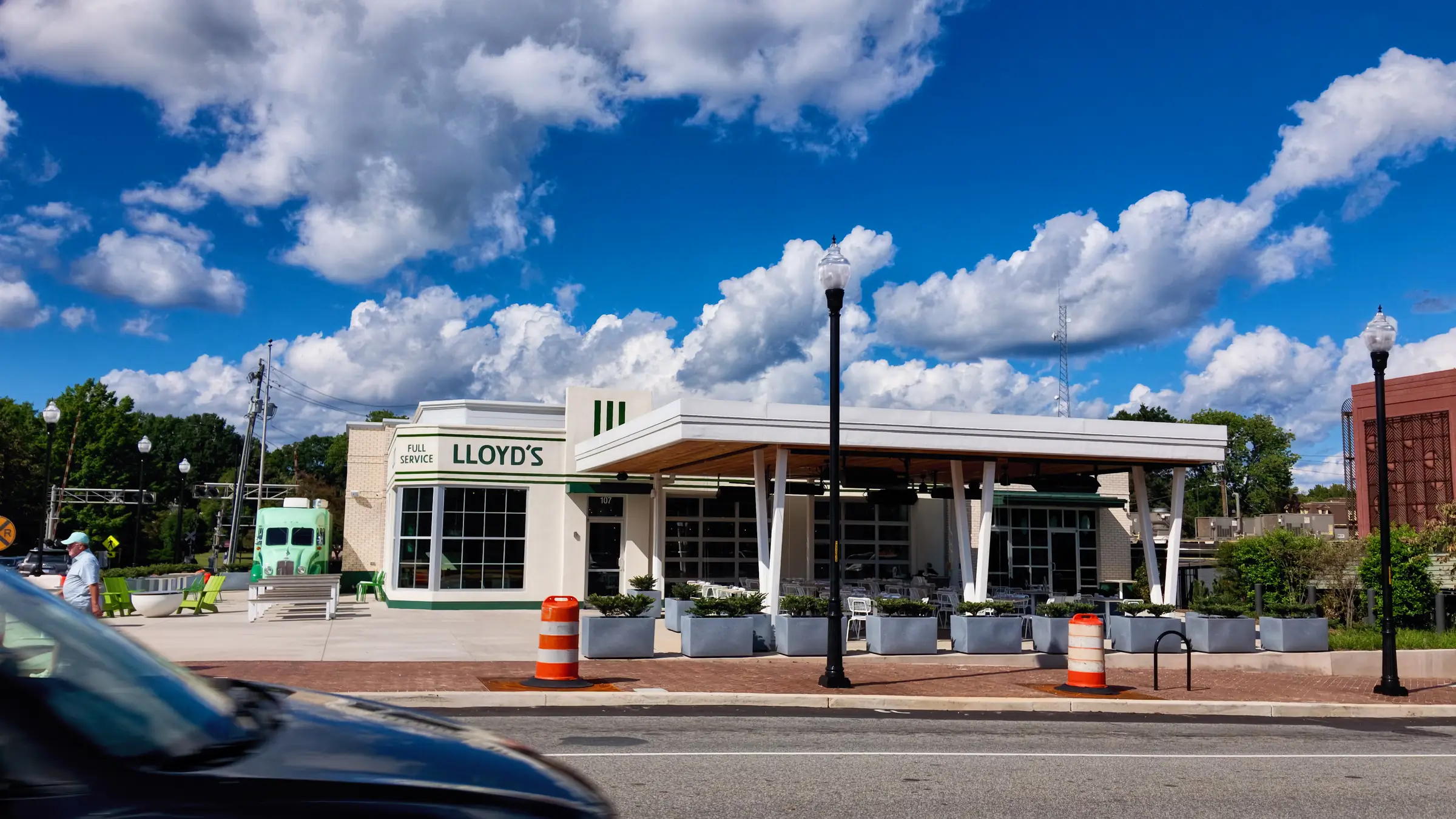
A sustained program of public investment over roughly fifteen years: the arts center in the old high school, the restored Cary Theater, a regional library, the Academy Street streetscape rebuild, and — most significantly — Downtown Cary Park, which opened in 2023.
The park is the piece that made the difference. Before it, downtown Cary had good buildings and no reason to linger between them. Since it opened, the evening use of the district is visibly different.
What has not changed at the same rate is housing supply. The residential fabric here is a few streets of pre-war cottages and bungalows, plus a limited quantity of newer townhouse and condominium infill. Demand for walkable Cary considerably exceeds the number of front doors within walking distance.
That imbalance is the defining feature of this market, and it is structural rather than cyclical. There is not much land to add.
The fabric
- 01
 Placeholder image. FPO
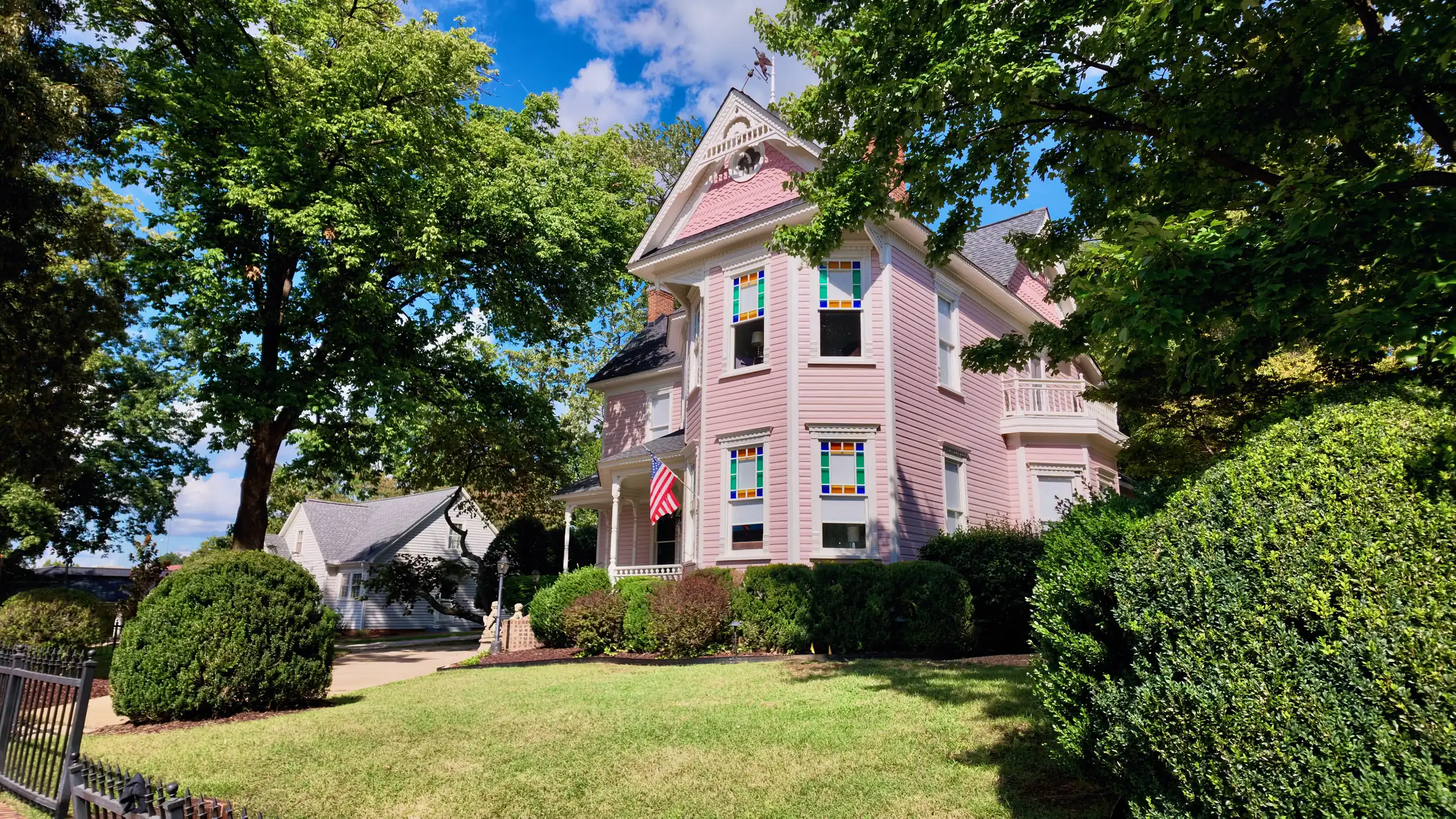
The Guess-Ogle House, downtown Cary's Pink House on South Academy Street. Built around 1830 and remodeled in 1896. Photographed September 13, 2026, Move Up NC. - 02
 Placeholder image. FPO
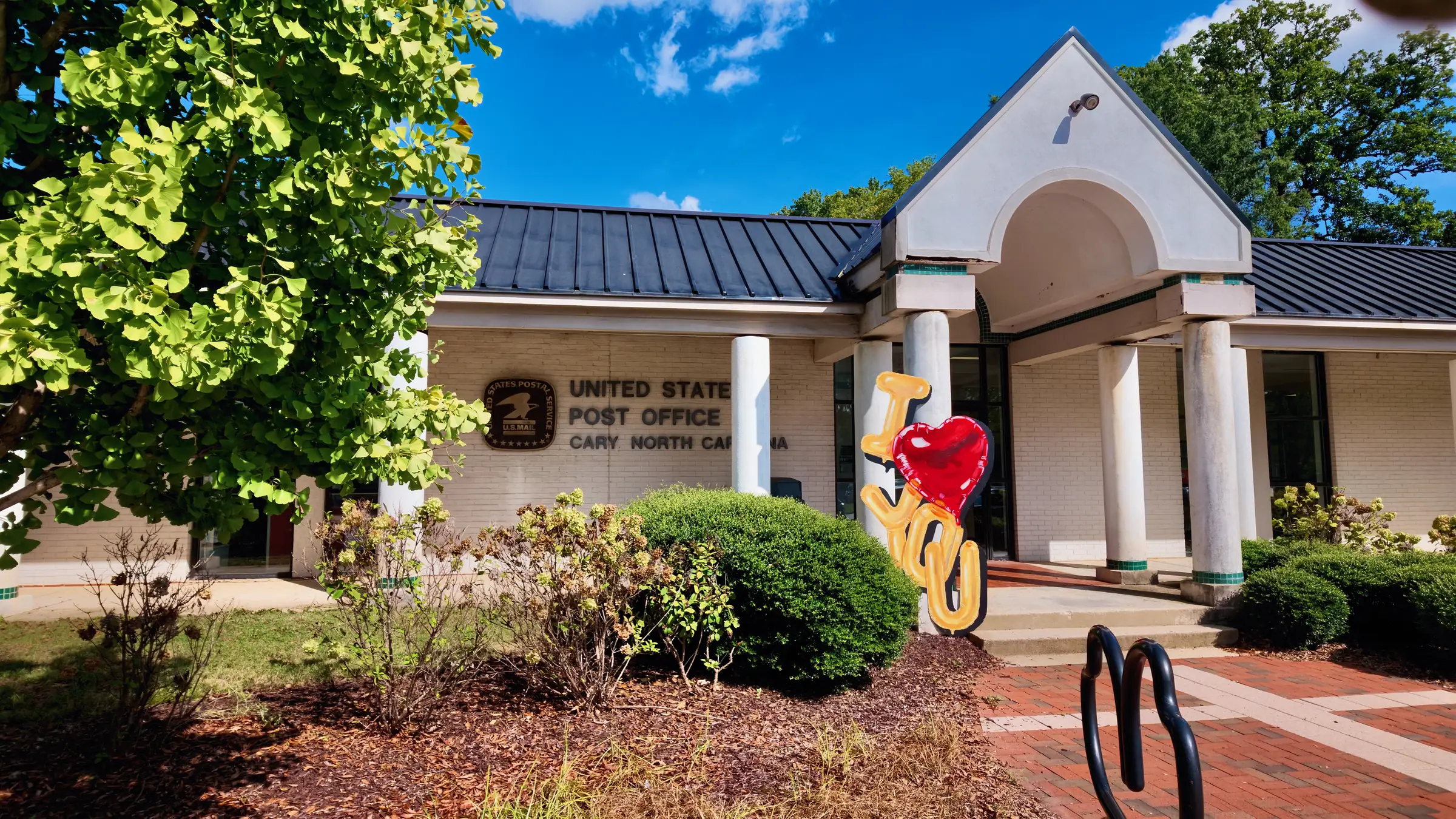
The downtown Cary post office at 205 South Academy Street, with its LOVE sign. Photographed September 13, 2026, Move Up NC. - 03
 Placeholder image. FPO
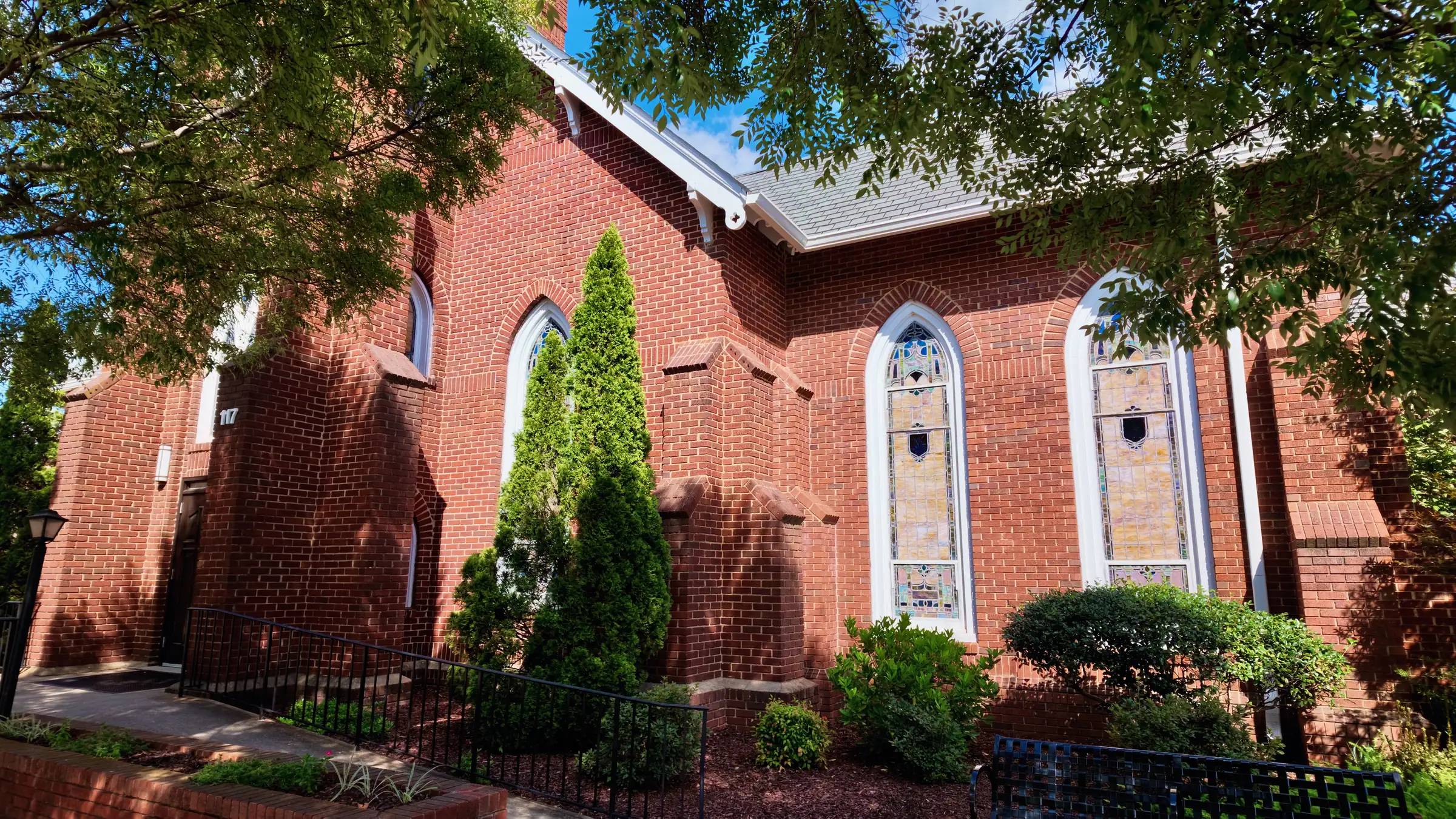
A historic brick church in downtown Cary. Photographed September 13, 2026, Move Up NC. - 04Placeholder image. FPO
The Cary Theater on East Chatham Street in downtown Cary. Photographed September 13, 2026, Move Up NC.
What is the housing actually like?
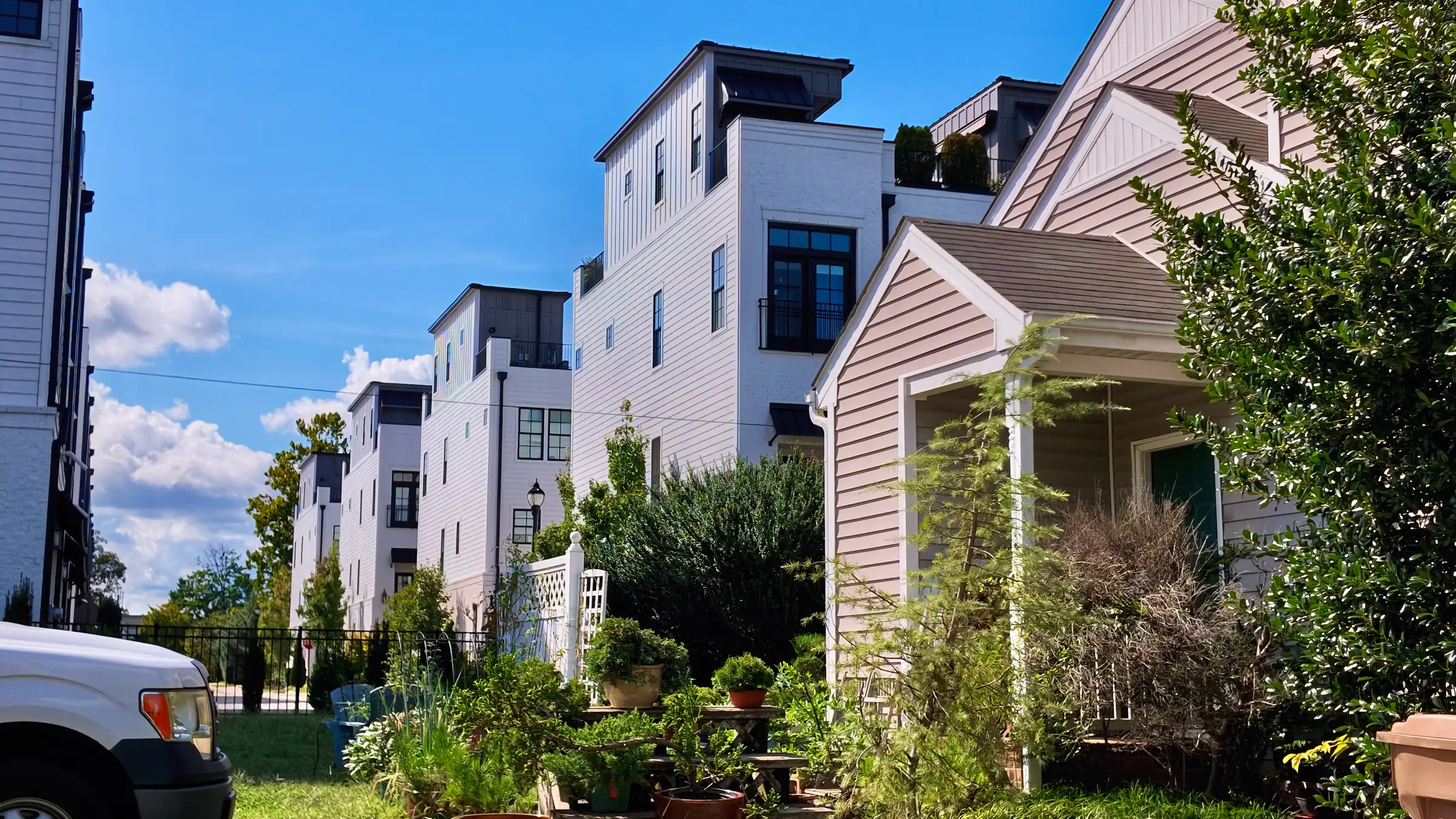
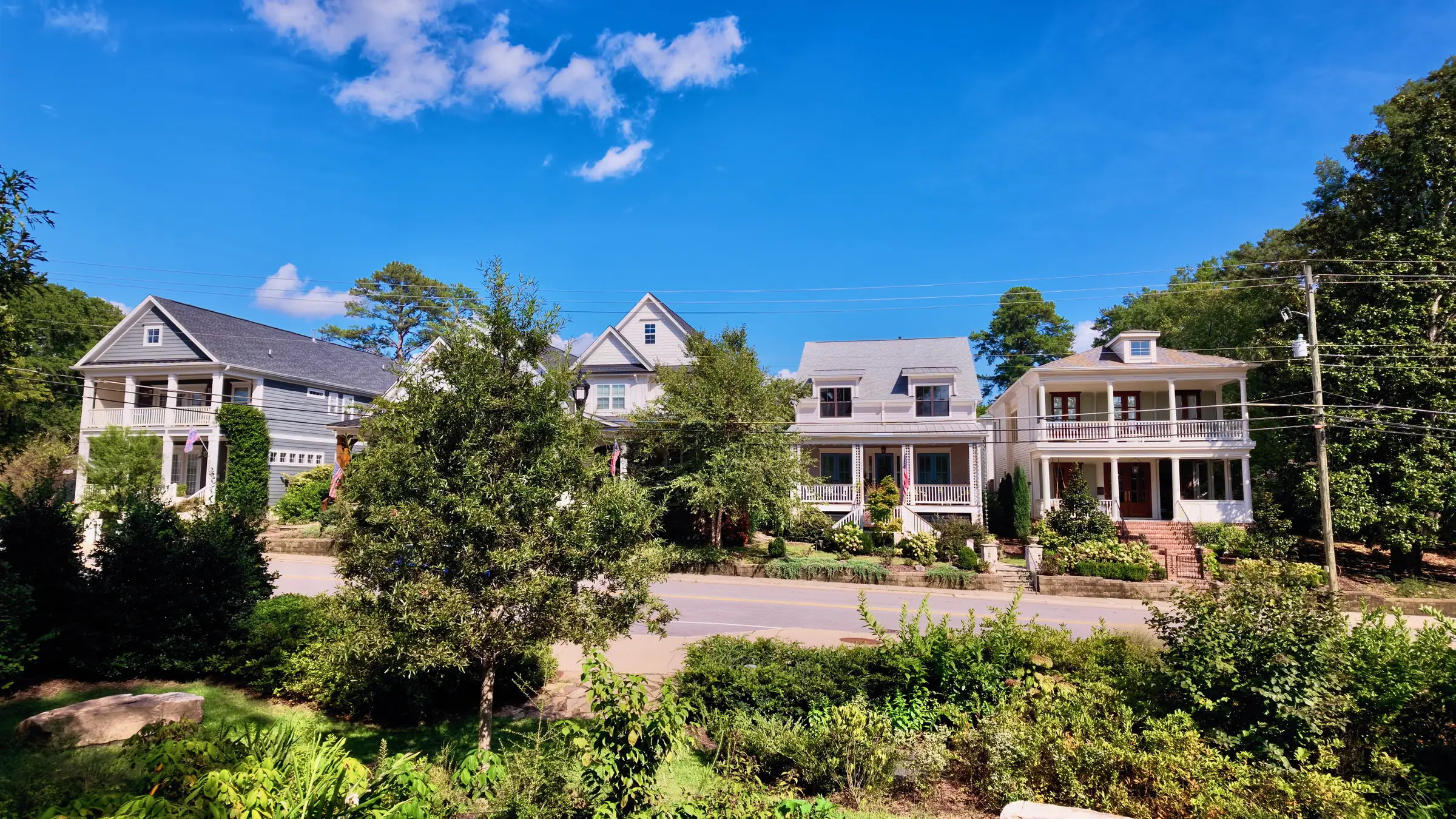
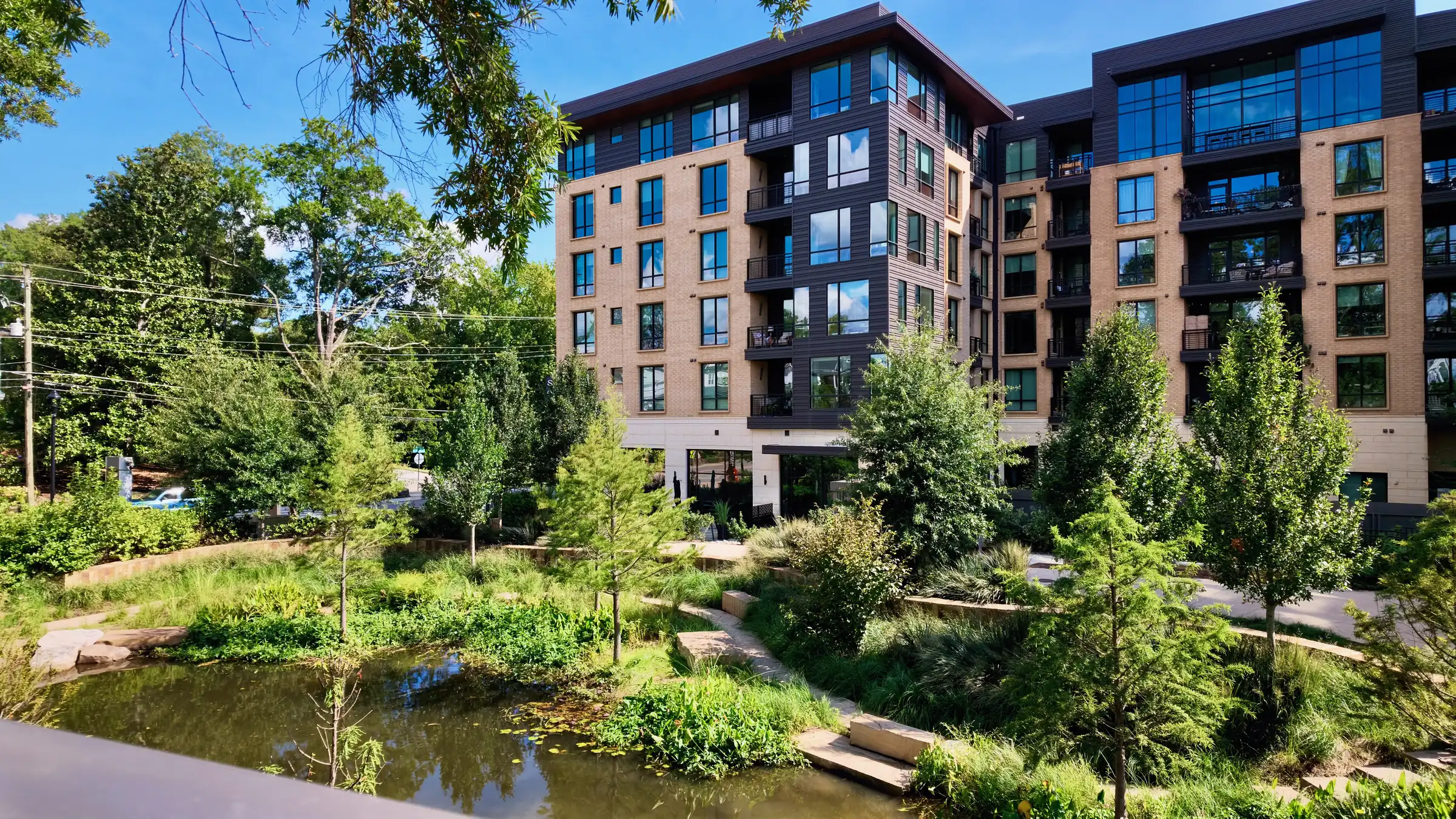
Small by Cary standards and old by Triangle standards. The core stock is cottages and bungalows from roughly 1900 to the 1950s on compact lots, much of it already renovated, alongside a growing but still modest supply of new townhouses and condominiums.
Expect one to two thousand square feet rather than three to four, original room proportions, and the constraints that come with a house built before central air conditioning. Additions happen, but lot sizes and setbacks limit how far they can go.
The newer infill answers a different brief: lock-and-leave, low maintenance, and a walk to the park. It suits downsizers and people who travel, and it is where most of the actual transaction volume is.
If you want both walkability and four bedrooms with a garden, you are looking at a very short list, and it will take time. That is worth knowing at the start rather than three months in.
Film
A walk through the district
 Placeholder image. FPO
Film slot for a single continuous walk from the depot to the park. Poster, captions and VideoObject markup switch on together once footage is shot.
Before you buy downtown
- Is downtown Cary genuinely walkable?
- Within about ten minutes of Academy and Chatham, yes — restaurants, the library, the arts center, the park and the rail platform are all reachable on foot without crossing an arterial. Outside that radius you are back in driving Cary quickly.
- How limited is supply?
- Severely, for detached houses. The pre-war stock is a few streets and there is no land to add more. Newer townhouses and condominiums come up more regularly and represent most of the volume.
- Are these houses hard to maintain?
- They are old houses and should be treated as such — expect knob-and-tube remnants, original plumbing runs, limited insulation and crawl-space moisture questions depending on the property. A thorough inspection matters more here than anywhere else in Cary.
- Is parking a problem?
- For residents with off-street parking, generally no. For houses without it, on-street parking near the core can be genuinely tight on event evenings. Check what the specific property has.
- Does the Amtrak service actually get used?
- Yes — the Carolinian and Piedmont trains connect Cary to Raleigh, Durham, Greensboro and Charlotte, and for some households it removes a second car. Check the current timetable against your own pattern before treating it as a commuting option.
Waiting for the right downtown house?
This is a market where the useful work happens before a listing appears. Tell us the street and the shape of the house and we will watch for it.
Compare with

Current listings
Homes for sale in Downtown Cary
Every active Downtown Cary listing, with price and days on market.
Want the current list? Ask and I will send every active listing in Downtown Cary, with price and days on market, the same day.