

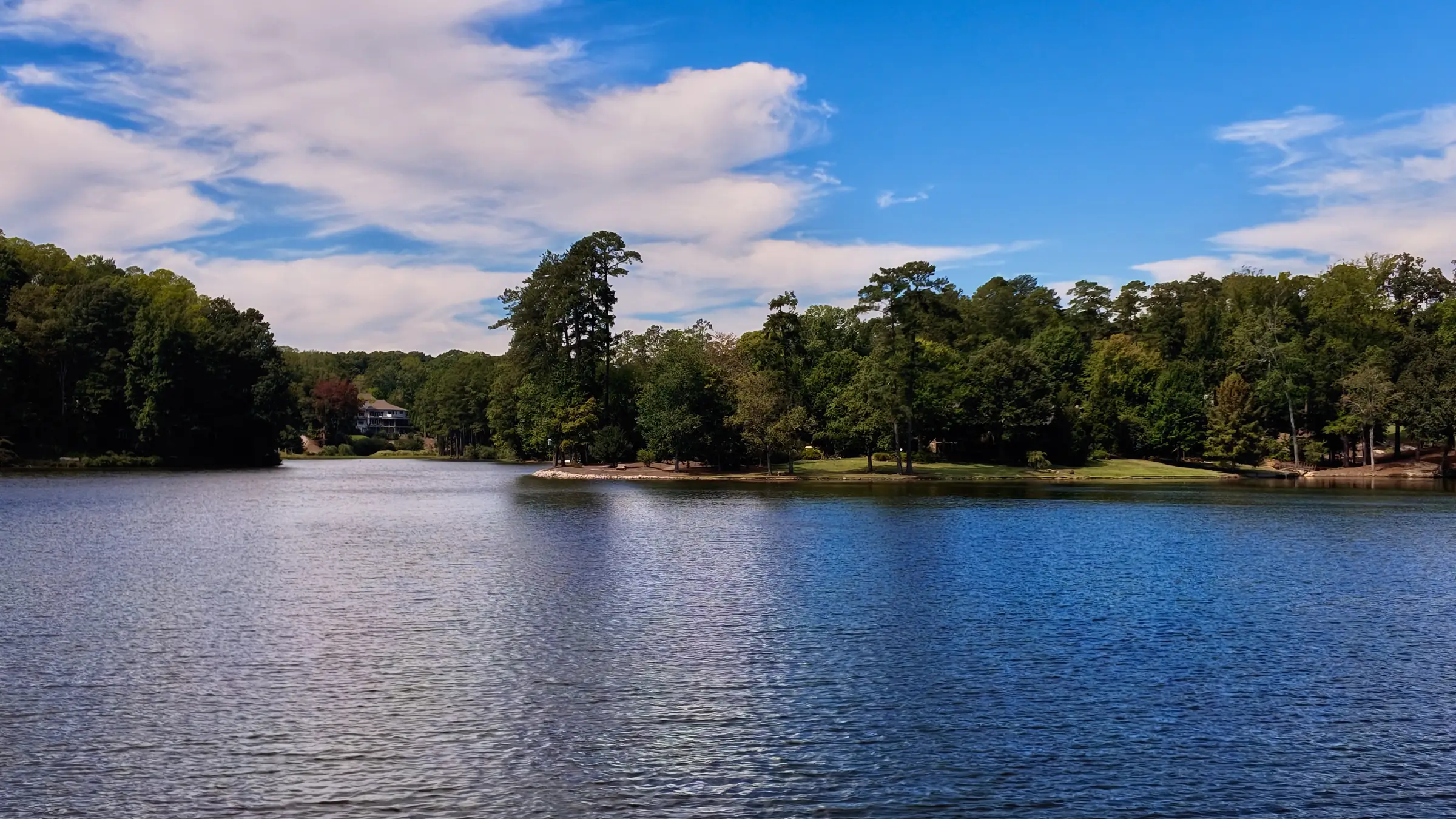
MacGregor Downs is a country club community in Cary, sometimes spelled “McGregor Downs,” built around MacGregor Downs Country Club and its golf course on Lake MacGregor. Club membership is a separate purchase from the home itself — a house in the neighborhood does not include club access, and the club’s dues and initiation costs sit on top of the mortgage, property taxes, and any HOA dues a buyer already budgets for.
What is MacGregor Downs Country Club, and who can join?
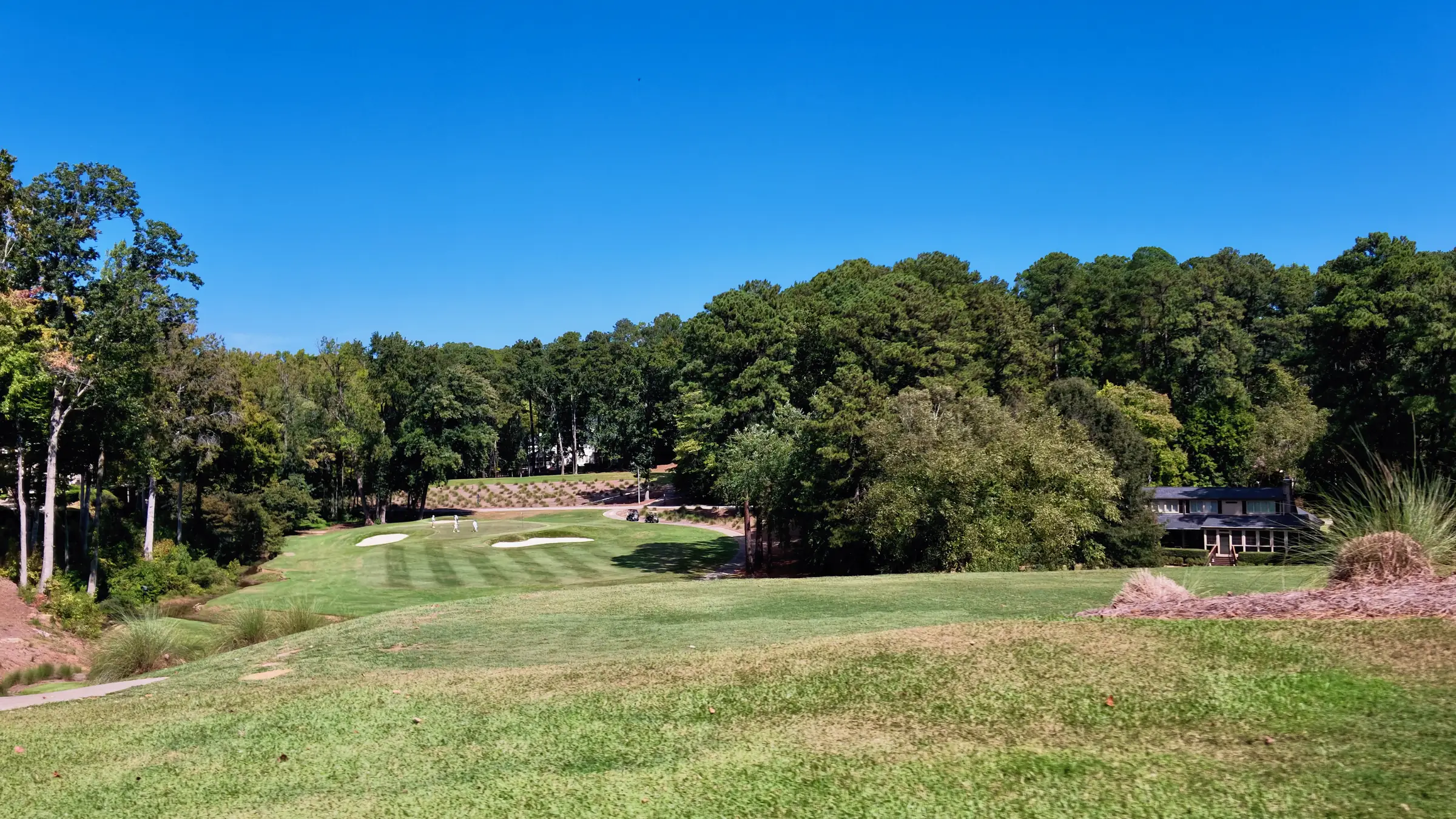
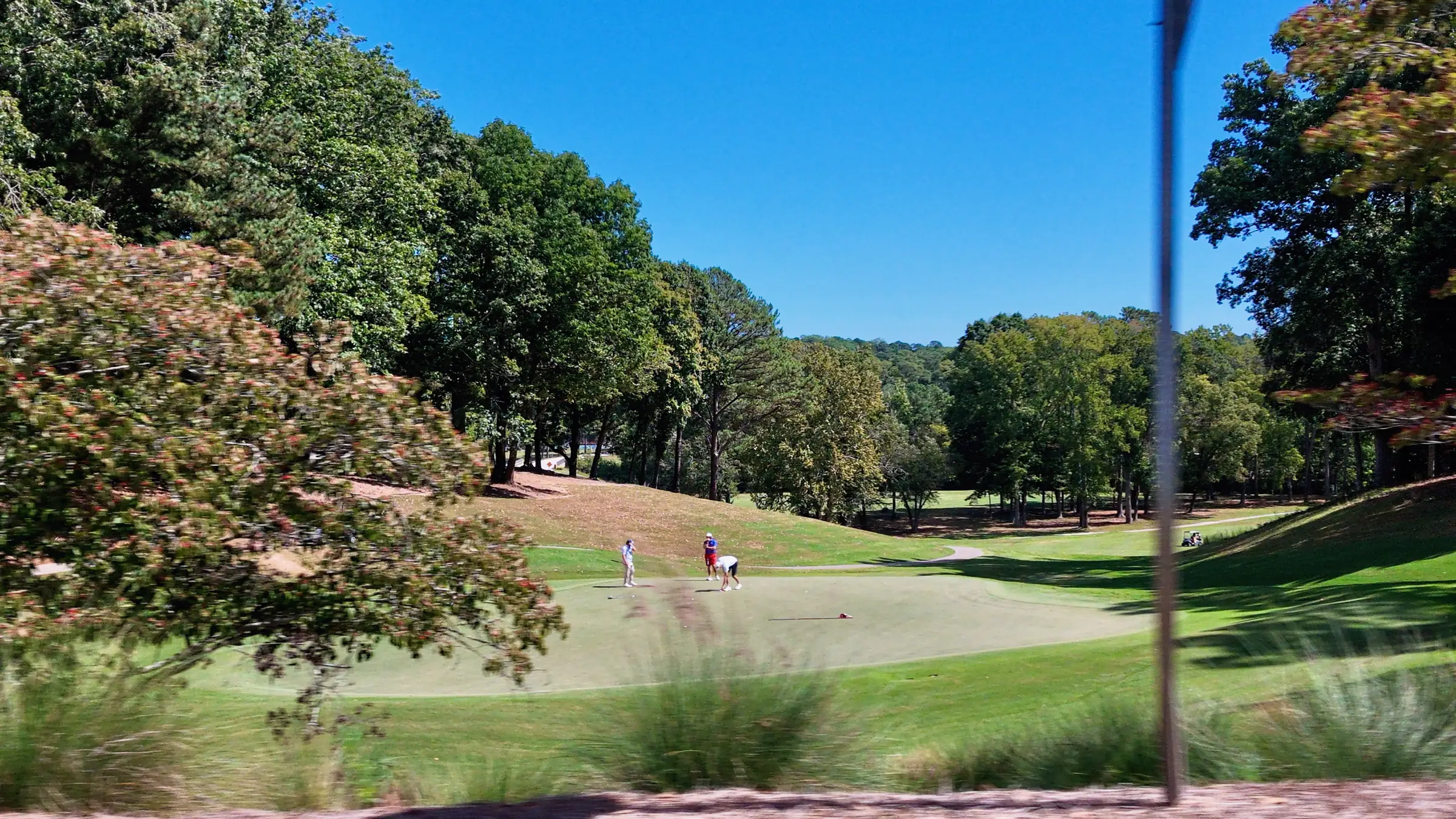
MacGregor Downs Country Club describes itself as a private club on Lake MacGregor, offering a golf course along with a pool, tennis and pickleball courts, dining, and fitness facilities, according to the club’s own site. As a private club, membership requires an application and approval rather than being automatic for anyone who buys a home in the surrounding neighborhood — the club and the residential community are related by location and name, not by ownership. The club’s own materials describe its golf course as designed by Willard Byrd, and note that the club has hosted historically notable competitive golf; the precise founding year and specific tournament history are best confirmed against the club’s own archives rather than repeated here without a primary citation.
What does membership cost beyond the mortgage?
This is the real question behind most searches for “MacGregor Downs Country Club Cary NC” — what does living here cost on top of the house payment. There are at least three separate line items to budget for, and none of the dollar figures should be assumed from a general web estimate: the neighborhood’s own homeowners-association dues, which are billed separately from any club costs; the country club’s initiation fee, which is a one-time cost to join; and the club’s ongoing monthly or annual dues, which vary by membership category. As with most private clubs, the fee structure typically separates a one-time initiation payment from recurring dues, and dues levels commonly differ by tier — full golf, social, and similar categories are typical at clubs of this kind. Private clubs do not publish initiation fees or dues by tier, so a buyer should get current numbers directly from the HOA and the club rather than relying on this page or on third-party membership-cost estimators, which often carry their own disclaimers about accuracy.
What does the housing stock look like, and when was it built?
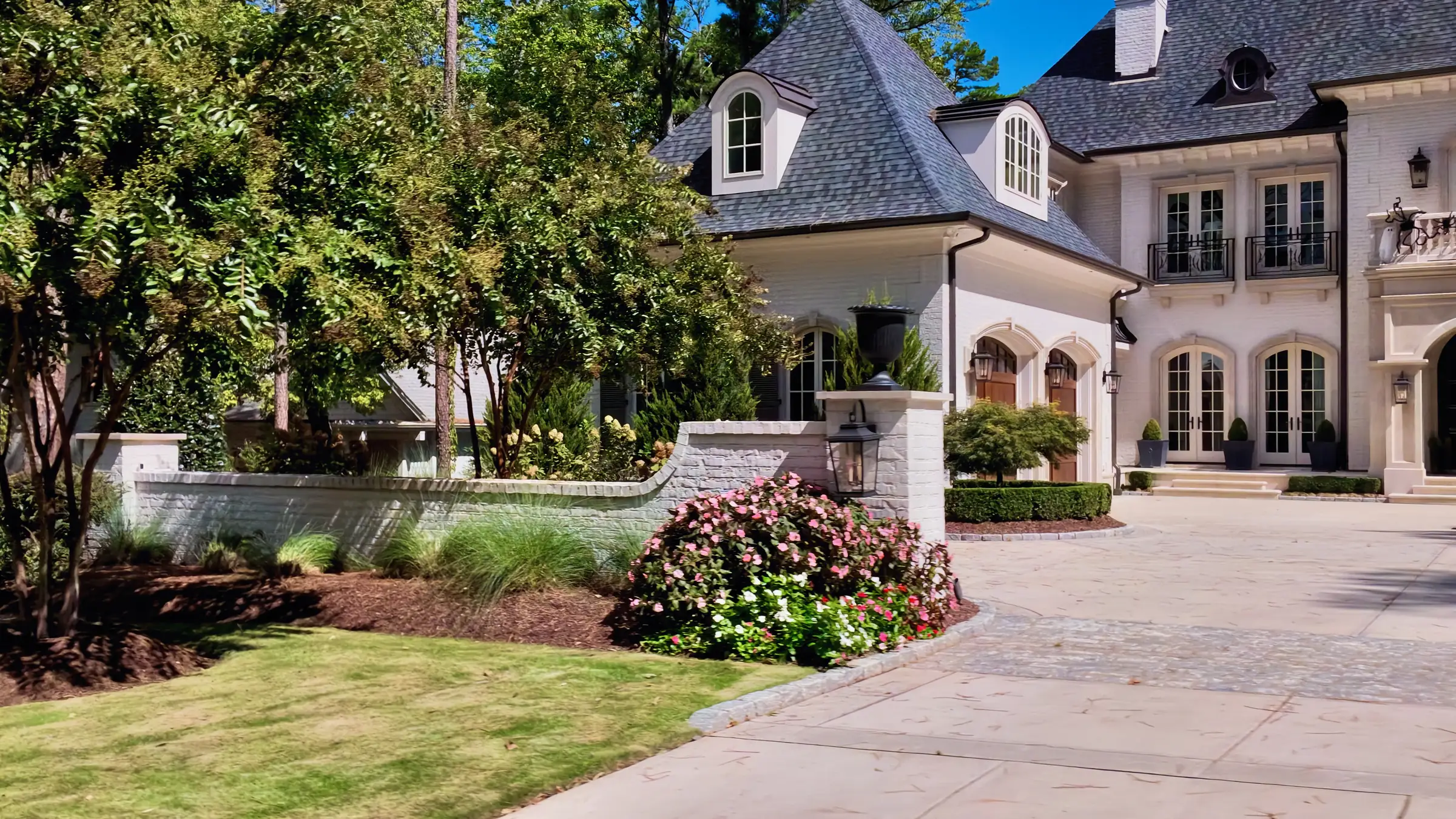
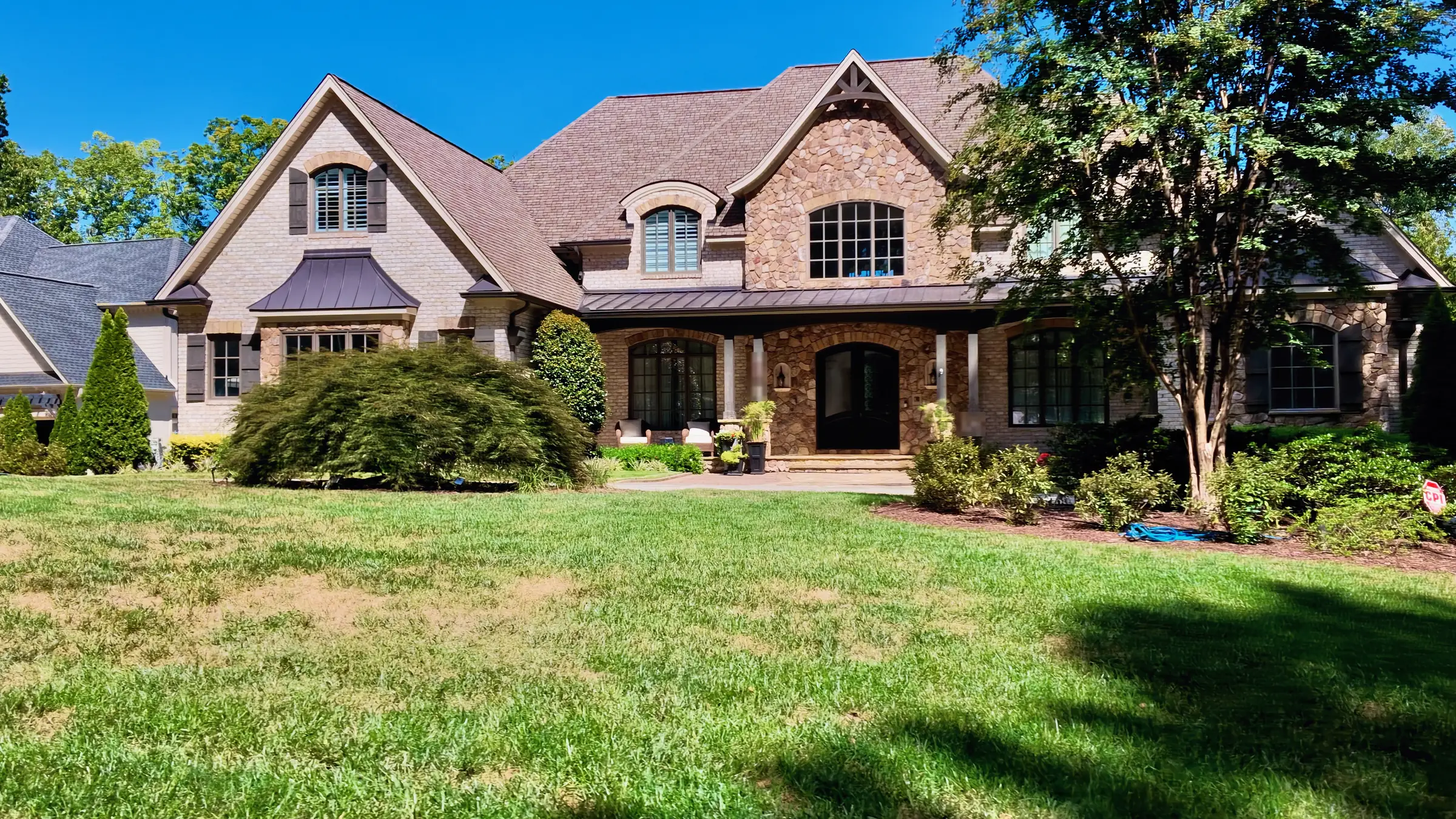
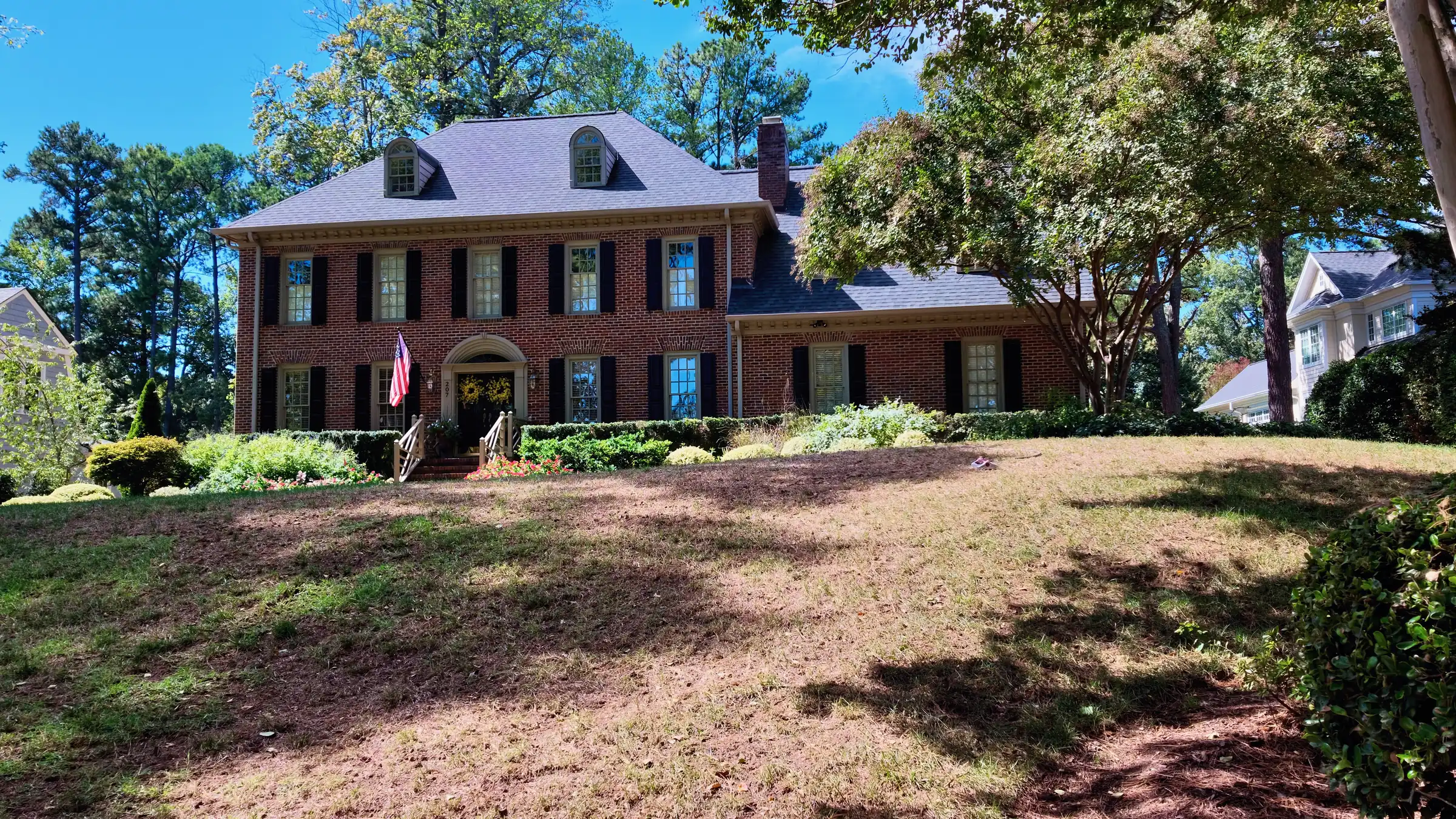
MacGregor Downs homes sit on larger lots than much of newer Cary — the neighborhood’s own HOA describes home sites averaging around half an acre, with the original development preserving hardwood trees and the area’s rolling topography rather than grading it flat. A Doorify MLS member search of MacGregor Downs’ closed residential sales from 12 September 2025 through 12 September 2026 shows the homes that actually sold in that window were built between 1972 and 2017: four dated to the 1970s, nine to the 1980s, one to the 1990s, and five to 2013–2017. That describes the sold sample, not the subdivision’s full build-out range, but it does point to something real — a live cohort of newer construction mixed in among the community’s older housing stock, consistent with older homes being replaced rather than only renovated. The exact home count in the neighborhood is better pulled from county records than estimated here, but the sold sample shows a mix of home types among its closed sales rather than a single housing product.
Is MacGregor Downs the same as MacGregor Village?
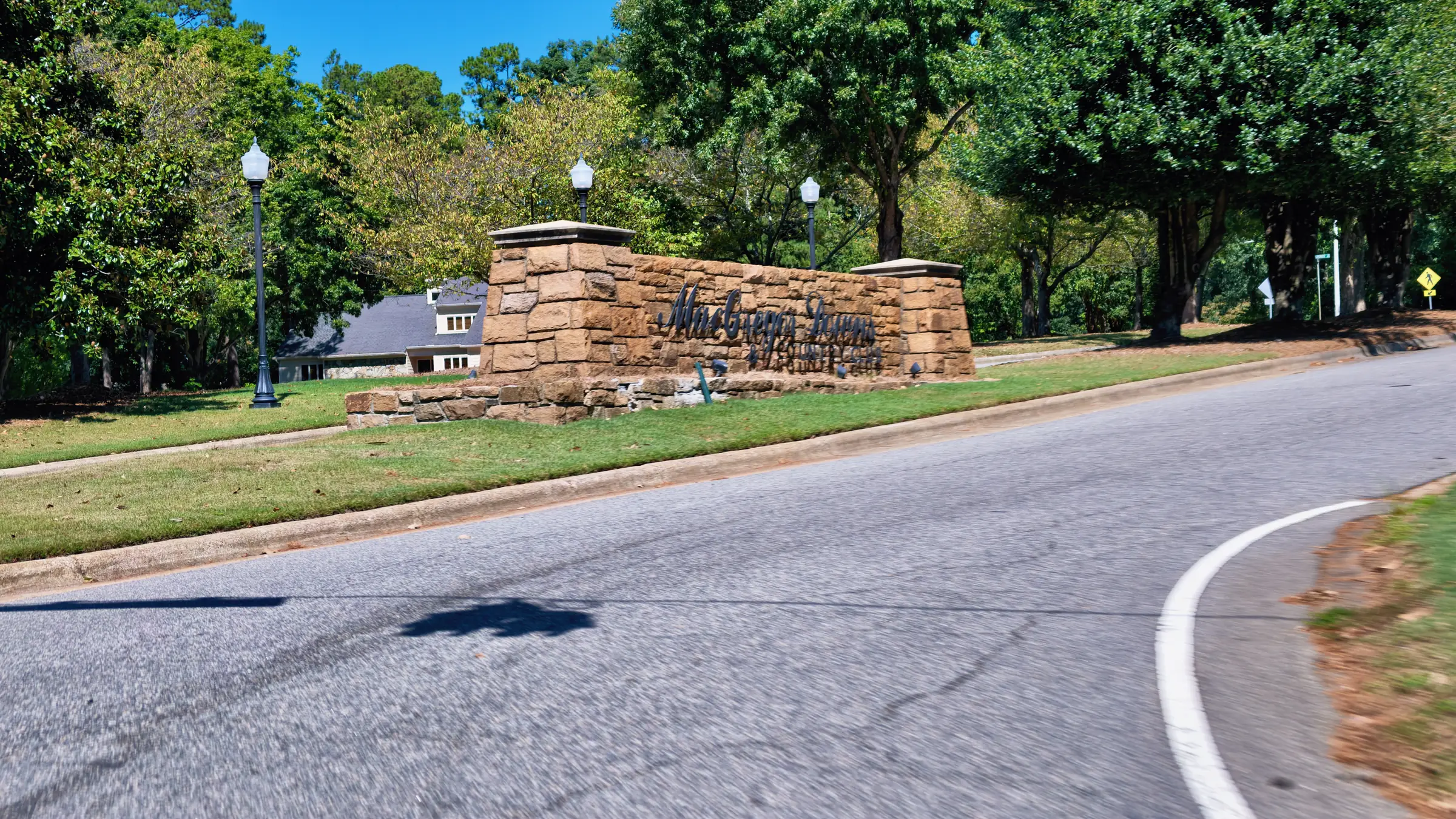
No, and the two are confused often enough to be worth addressing directly. MacGregor Village is a separate, older shopping center in Cary with its own retail tenants, located near but not inside the MacGregor Downs residential community or the country club. If a search for “MacGregor Downs” or “McGregor Downs” turns up results about a shopping center’s stores or a retail lease listing, that’s MacGregor Village, not the country club or the neighborhood covered on this page. The two are near each other geographically, which is likely why the names get crossed, but they are unrelated as properties.
What does resale look like in MacGregor Downs?
As with any golf-adjacent, larger-lot community, proximity to the course and lake, lot size, and the extent of any updating tend to be the biggest swing factors within the neighborhood. The figures below come from a Doorify MLS member search of closed residential sales in the MacGregor Downs subdivision, 12 September 2025 through 12 September 2026 — 19 closed sales, a small enough count that the median can shift on just a handful of transactions.
| Metric | 12 months ending 9/12/2026 |
|---|---|
| Closed sales | 19 |
| Median sale price | $951,500 |
| Sale price range | $550,000–$2,850,000 |
| Median price per square foot | $310 (exact $310.48) |
| Median finished area | 3,092 sq ft |
| Median days on market | 5 |
| Days on market range | 0–137 |
| Year built, homes sold in this window | 1972–2017 |
Based on information from the Doorify MLS, Inc. for the period 12 September 2025 through 12 September 2026.
Days-on-market figures need a caveat: Doorify MLS changed how days on market accrue in July 2026, so time spent in Coming Soon status no longer counts toward the total. This 12-month window straddles that change, meaning sales earlier in the period and sales later in the period were not timed on exactly the same basis — the 0–137 day range and the 5-day median mix both methods rather than one consistent one.
MacGregor Downs’ resale numbers are also worth reading against a comparable Cary club community: over the same 12 months, MacGregor Downs sold at a higher median price than Lochmere ($951,500 versus $802,500), a higher median price per square foot ($310 versus $277), and roughly twice as fast (a 5-day median versus 10 days). One plausible factor visible in the two samples’ build years is that five of MacGregor Downs’ 19 closed sales were homes built 2013 to 2017 — a live teardown-and-rebuild cohort — while Lochmere’s sold homes in this window top out at 2004. That is a pattern the data is consistent with, not a proven cause, and with only 19 sales in the MacGregor Downs sample, its median moves easily on a handful of transactions — this is not a controlled comparison of otherwise-identical homes.
See our field note on panelled studies for how a table like this is built and what a small annual sale count can do to its reliability.
Where is MacGregor Downs, and how does it compare to Preston?
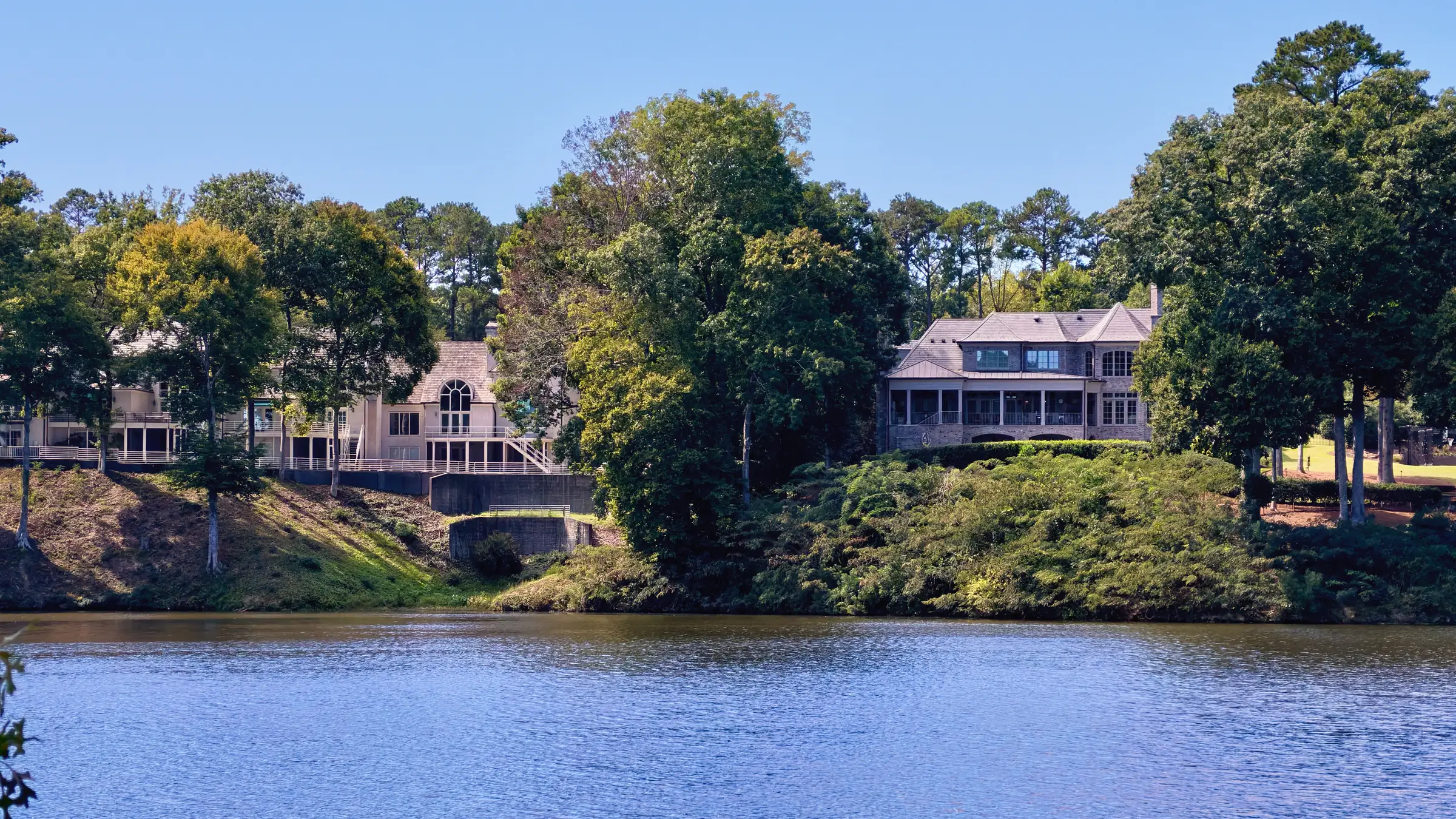
MacGregor Downs sits in Cary near the MacGregor Village retail area described above. Like Preston and like Lochmere, it’s a Cary neighborhood built around a private club where club membership and neighborhood residency are legally and financially separate — a pattern worth understanding once, since it repeats across most of Cary’s club-adjacent communities rather than being unique to any one of them.
Who does MacGregor Downs not suit?
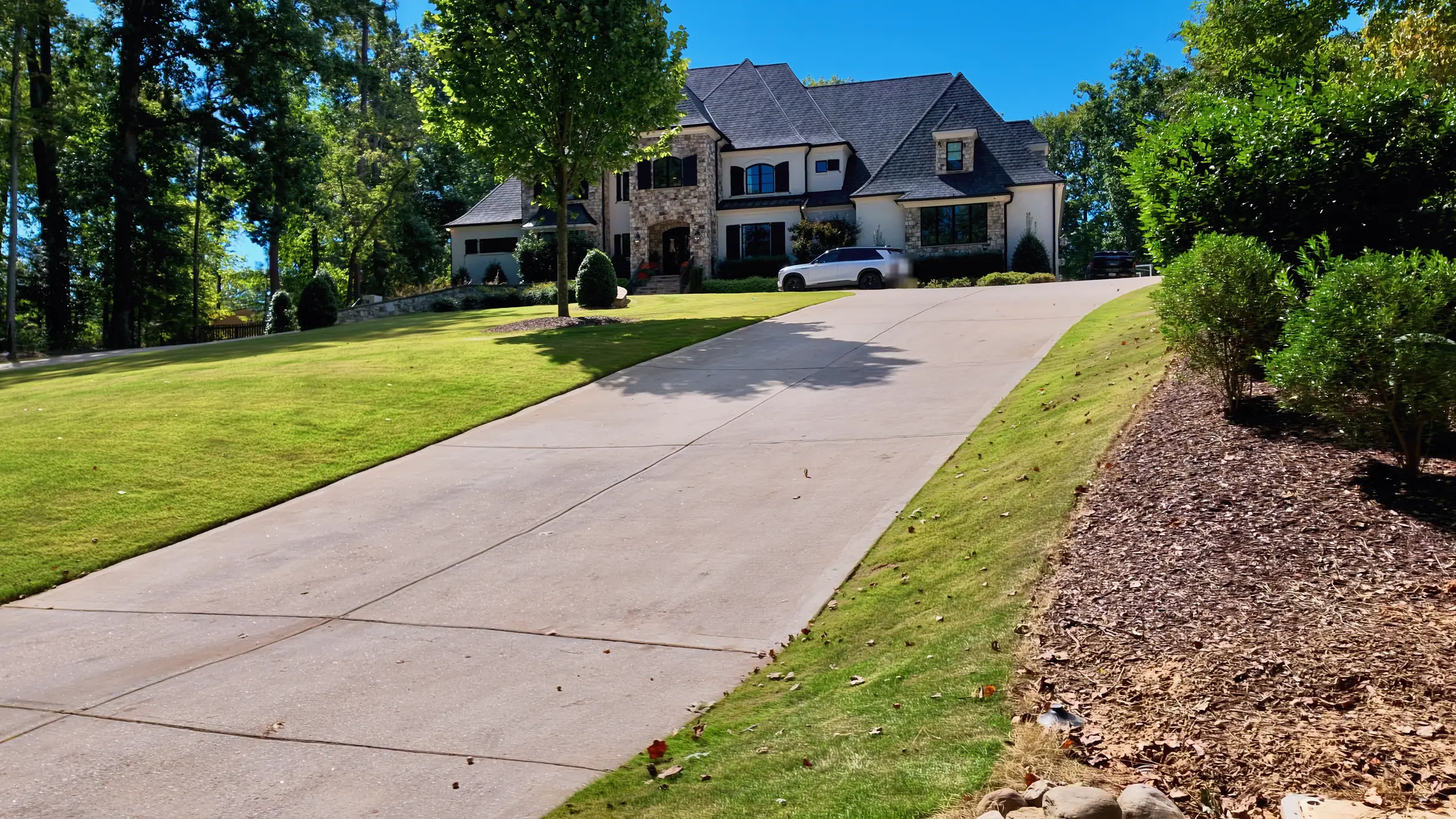
MacGregor Downs is not a fit for a buyer whose budget assumes club amenities come with the house — they don’t, and the added initiation and dues cost should be underwritten as a separate, optional expense before assuming it fits the household budget. It’s also not a fit for a buyer who wants new construction or a small, low-maintenance lot; the community’s larger, tree-preserved home sites cut the other way for anyone prioritizing a smaller yard. Anyone weighing the club cost against their overall budget should talk to a lender about how it affects debt-to-income calculations, and talk to a closing attorney about how any club-related easements or covenants show up in title work. See the Cary neighborhoods overview for how MacGregor Downs compares to Cary’s other established, club-adjacent communities.
Other Cary neighborhood studies
- Lochmere, Cary NC: The Neighborhood and the Golf Club, Explained
- Cary Park, Cary NC: What Resale Data Shows About Price and Speed
- Carpenter Village, Cary NC: What the Resale Data Shows
- Oxxford Hunt, Cary NC: A Value-and-Speed Read on the Resale Data
- Scottish Hills, Cary NC: What the Resale Numbers Show
- Kildaire Farms, Cary NC: What the Resale Numbers Show
- Highcroft, Cary NC: Why It Sells Faster Than Anywhere Else in Town
- The Fastest-Selling Neighborhoods in Cary, NC
- Cary, NC Price Per Square Foot by Subdivision
About the author
Cameron Smith writes Move Up NC’s real estate guidance for Cary, Morrisville and the North Carolina Triangle.
Editorial note: This article reports closed-sale data for one neighborhood and does not rank neighborhoods or schools, or provide legal, financial or Fair Housing advice.