

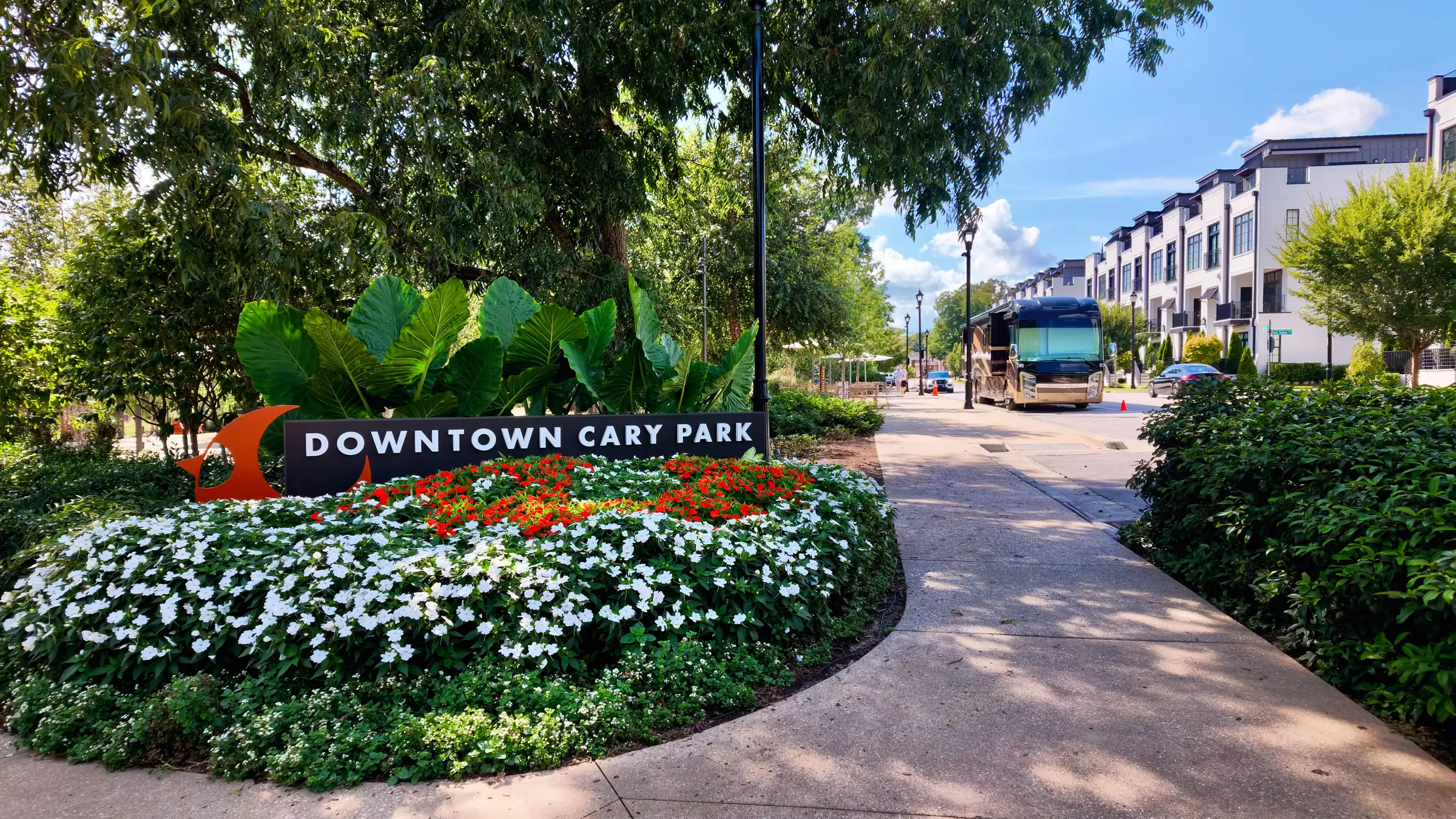
What you do in Cary depends less on the season than on who you are and how much time you have. A parent with young children on a Saturday wants a playground with shade and a bathroom nearby. A visiting parent with an afternoon wants somewhere walkable with a place to sit down. Someone spending a weekend deciding whether to move here wants to see the town at a normal pace, not a highlight reel. This guide is organized that way instead of as a flat list of category headings.
What should a family with young kids do on a Saturday?



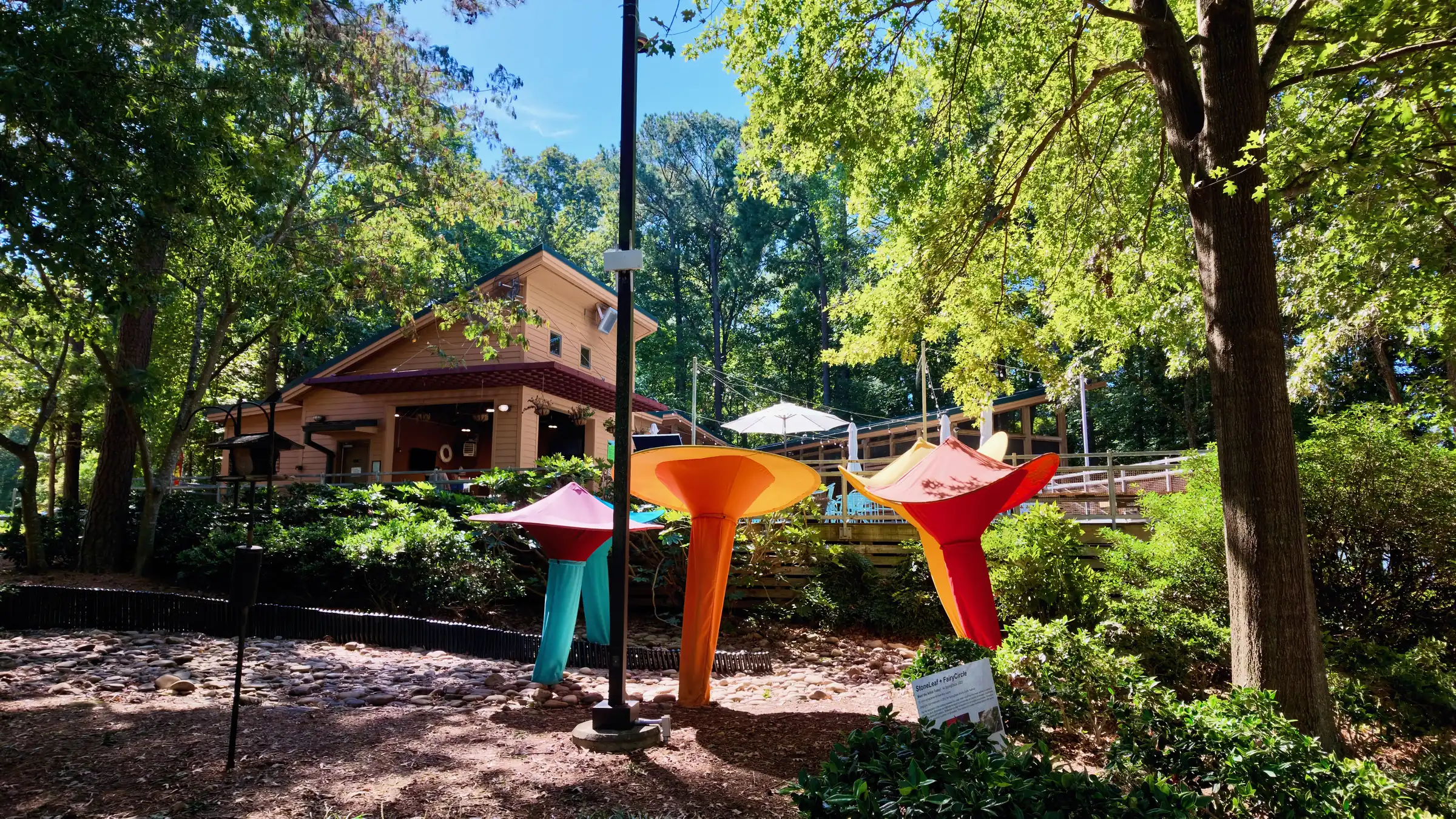
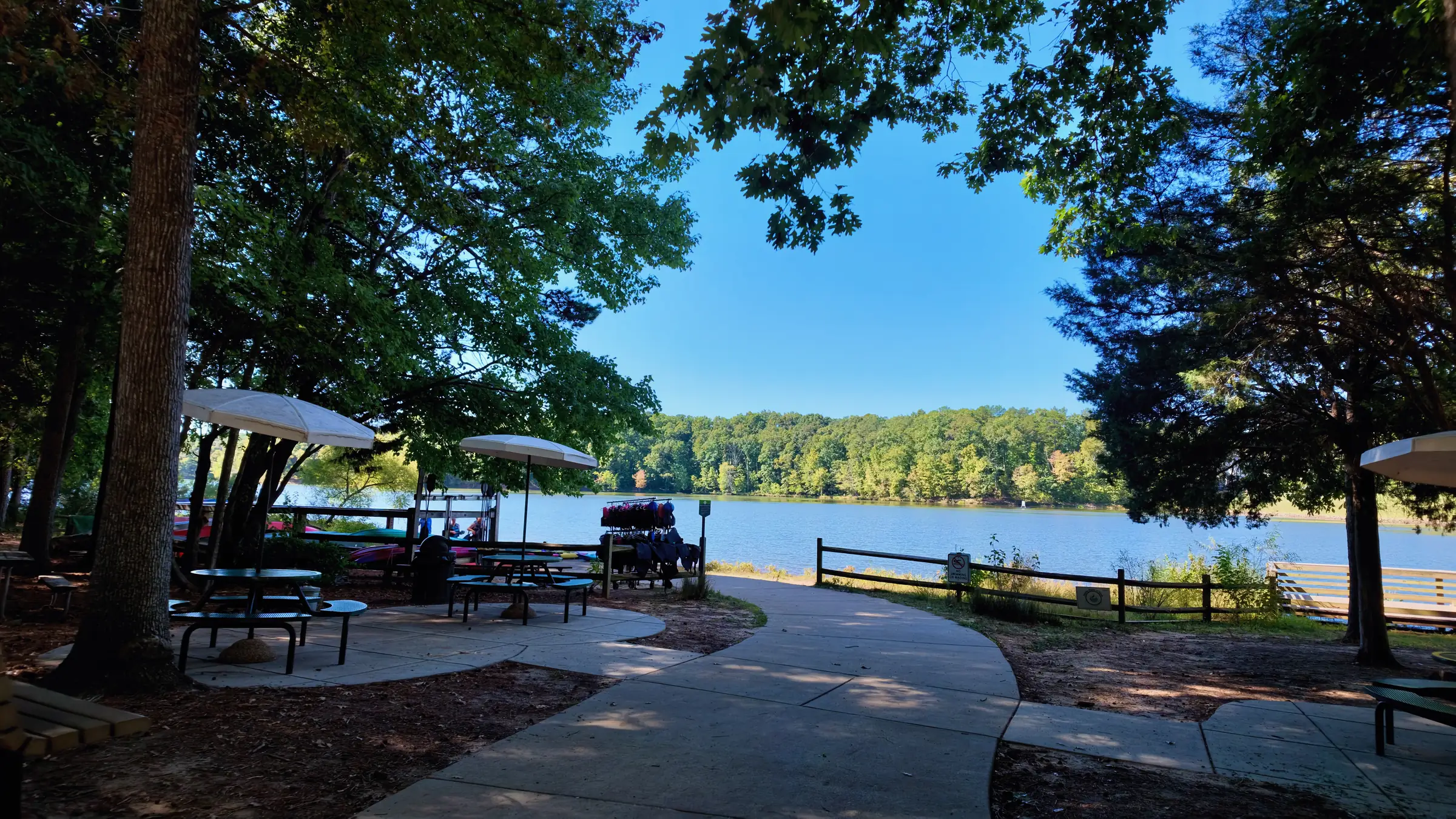
Start at Downtown Cary Park, a seven-acre park in the center of downtown with a play area called The Nest, a splash pad, a dog park called The Barkyard, and a central lawn used for movies and events, according to the Town of Cary. It is stroller-friendly and close to downtown restaurants for a lunch stop. For a longer outing, Fred G. Bond Metro Park is Cary’s larger metro park, with a lake, boathouse, and trail system maintained by the town’s parks department — plan on it taking most of a morning or afternoon rather than an hour.
What can a visiting parent do in an afternoon?
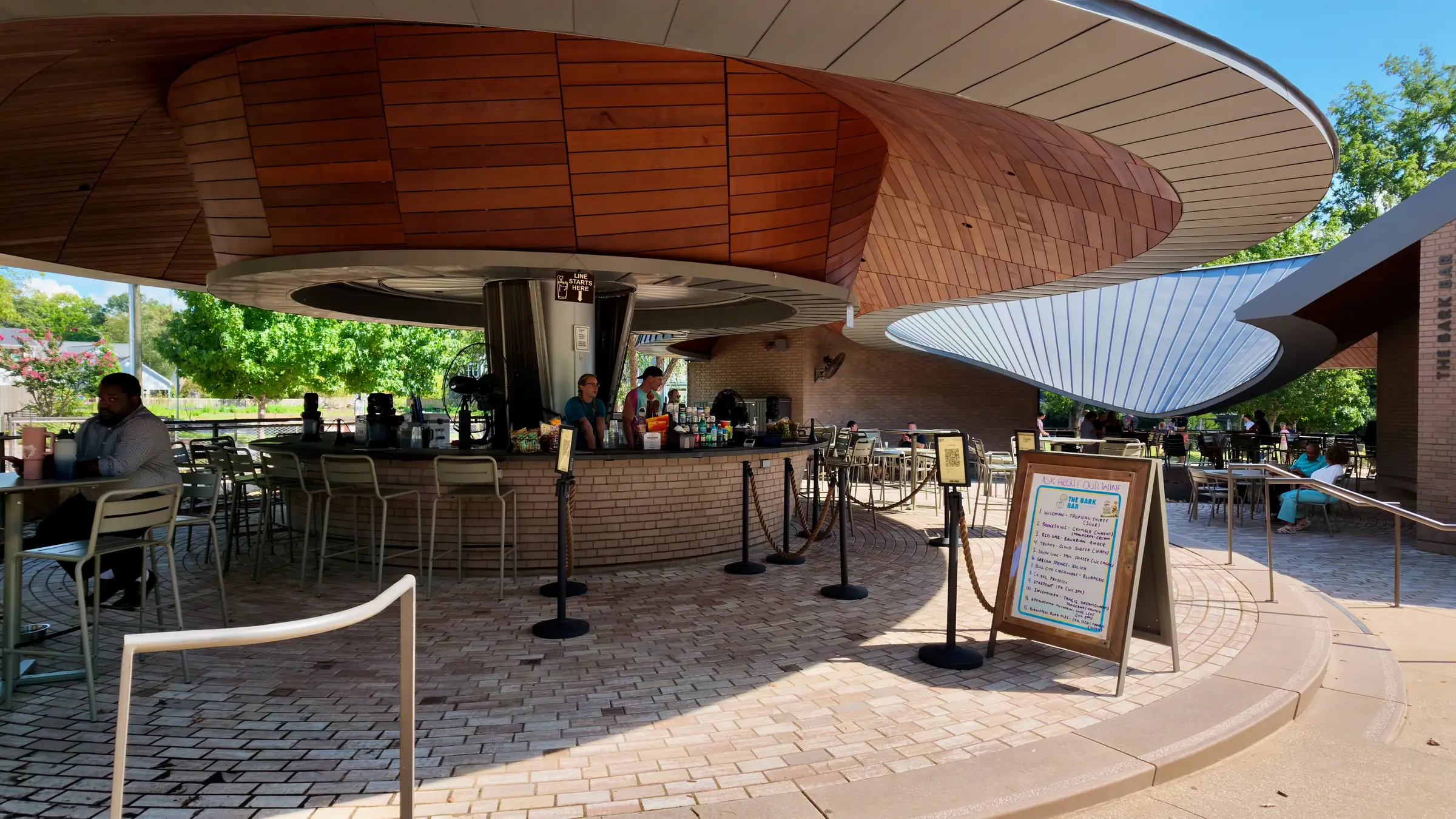

Downtown Cary is the answer for a single afternoon: it is walkable, has a mix of restaurants along Chatham and Academy streets, and does not require a car once you park. Lloyd’s Full Service, a restaurant set in a restored former service station at the corner of Chatham and Academy, is one option for a sit-down lunch in that area. Pair it with a slow walk through Downtown Cary Park next door. This is a two-to-three-hour outing, not a full day, which is what makes it the right scale for someone who flew or drove in for a short visit.
What should someone do on a weekend if they’re deciding whether to move here?

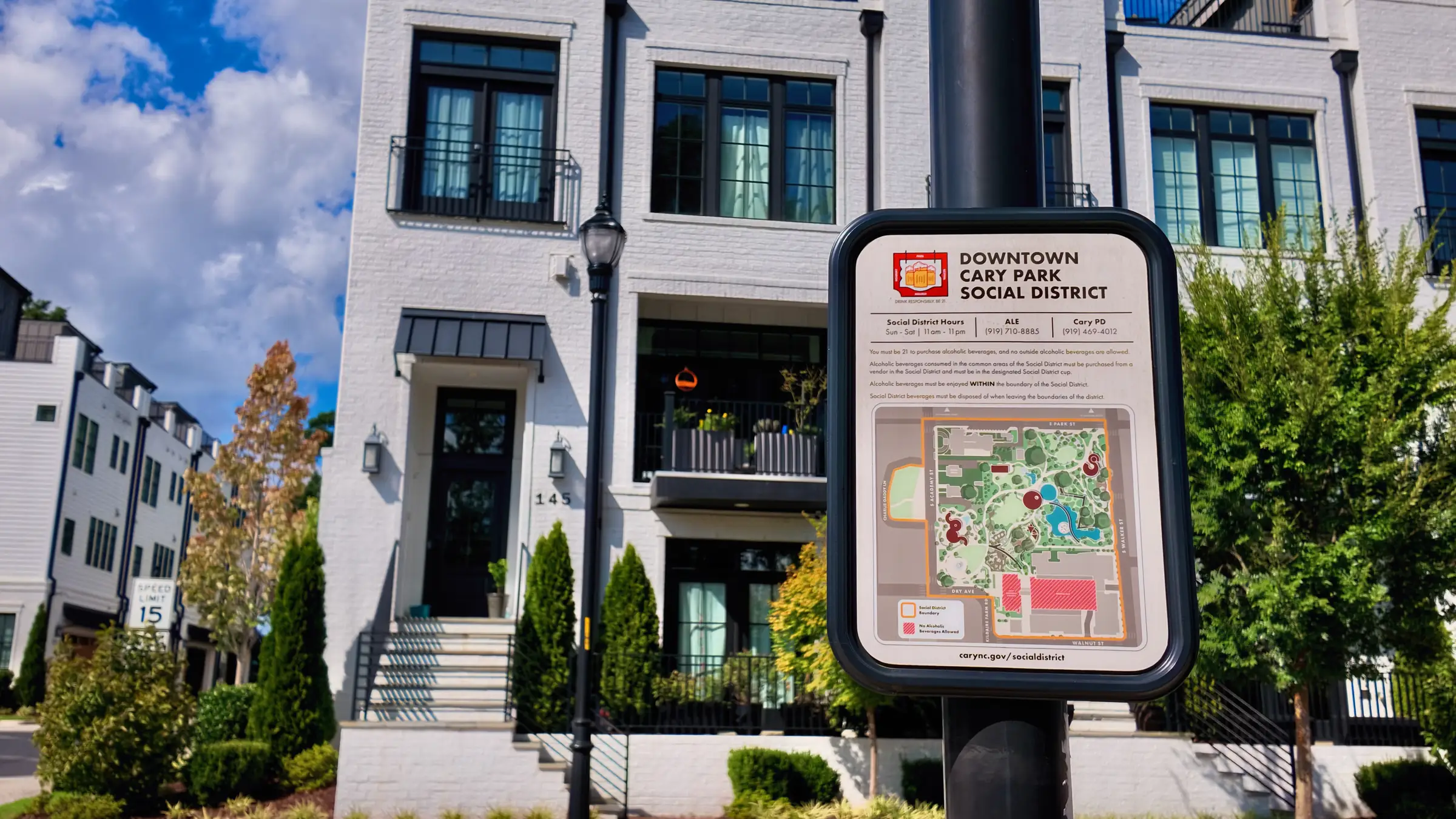
See the town the way a resident would, not a tourist. Walk the downtown area at an ordinary hour — mid-morning on a Saturday, not during a festival — and separately drive or bike a stretch of greenway to get a feel for how the town connects its neighborhoods. Our greenway access field note covers how to judge a specific address’s real distance to a trail, which matters more for daily life than any single attraction. If housing stock and neighborhood character are part of the decision, our downtown Cary neighborhood page and the broader Cary overview are the next stops.
Where are Cary’s parks and greenways, and how do they connect?
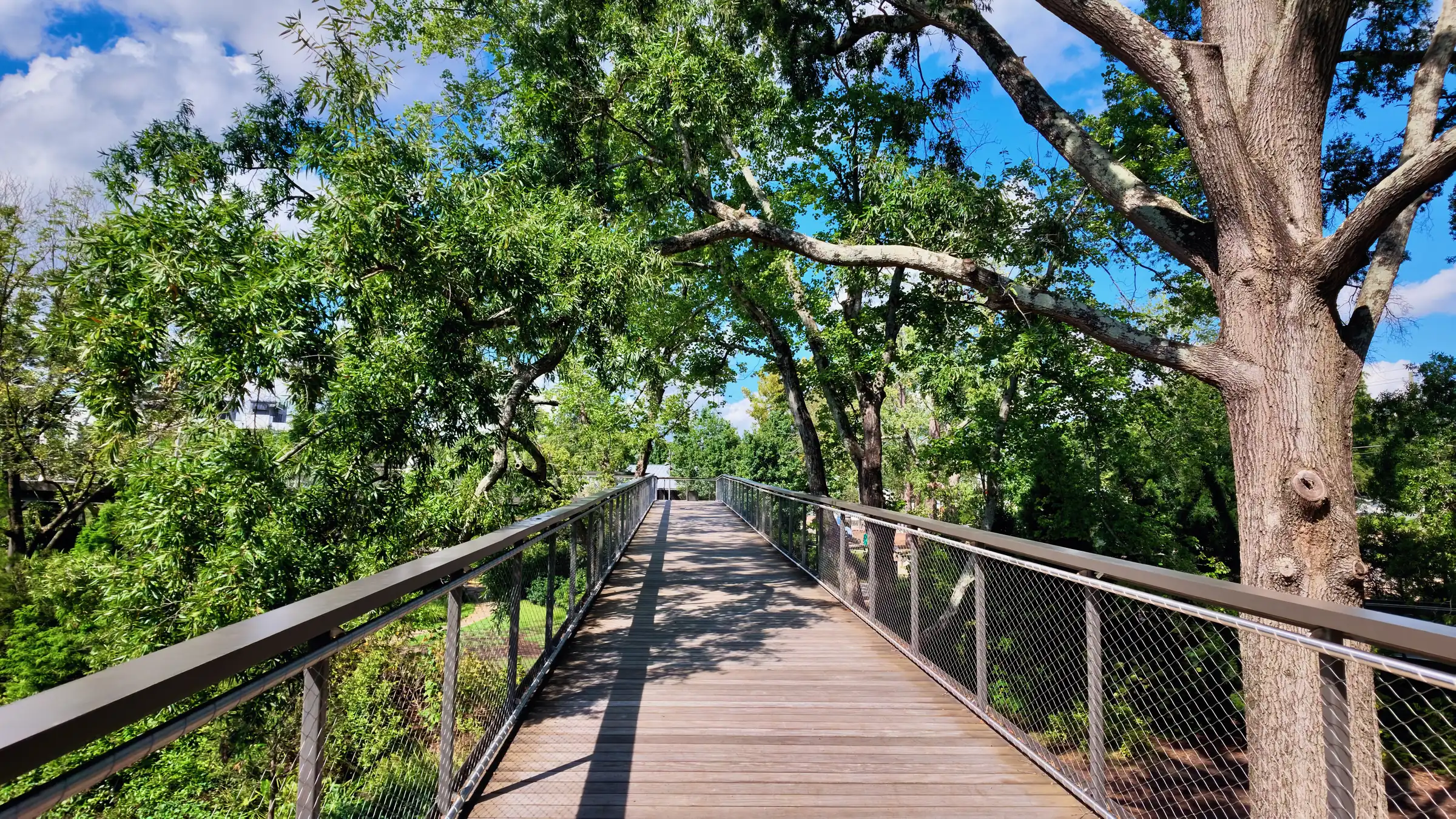

Cary’s greenway network links many of its parks and neighborhoods, and a section of the regional American Tobacco Trail runs through the town, connecting toward Apex and Durham County, per Wake County’s trail documentation. White Oak Creek Greenway is one of the town-maintained paved greenways within Cary itself. Whether a specific greenway segment is paved, how it’s lit, and whether it reaches a particular subdivision varies block by block — that detail is covered in the linked field note above rather than repeated here.
What is there to do in downtown Cary specifically?
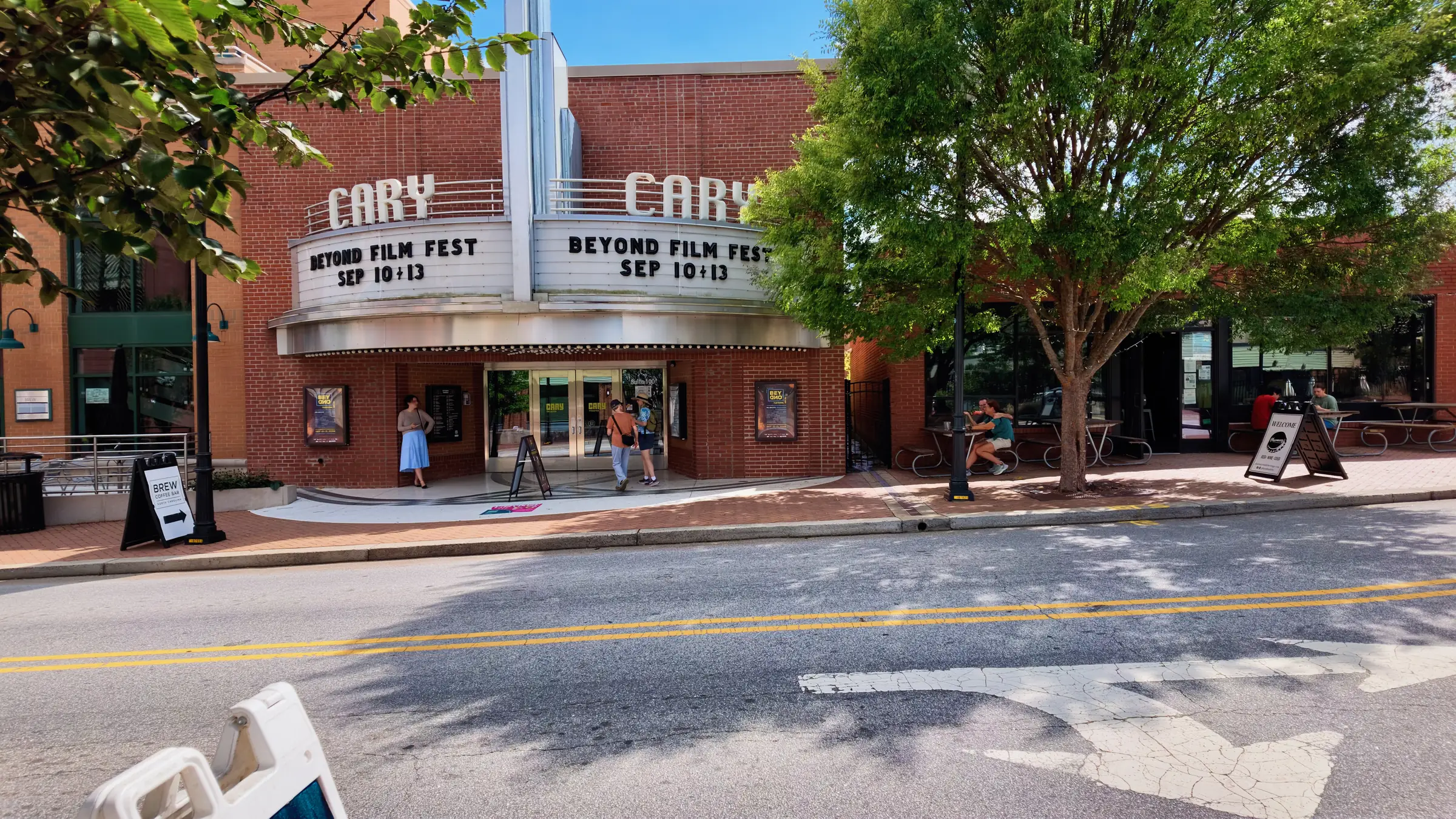


Downtown Cary centers on Chatham Street and Academy Street, with restaurants, small retail, and Downtown Cary Park anchoring the area. It functions as a walkable core rather than a shopping-mall-style destination, and most single visits are measured in hours, not a full day. See our downtown Cary neighborhood page for what living in or near that core is actually like day to day, as distinct from visiting it.
Where do the sports and event venues fit in?

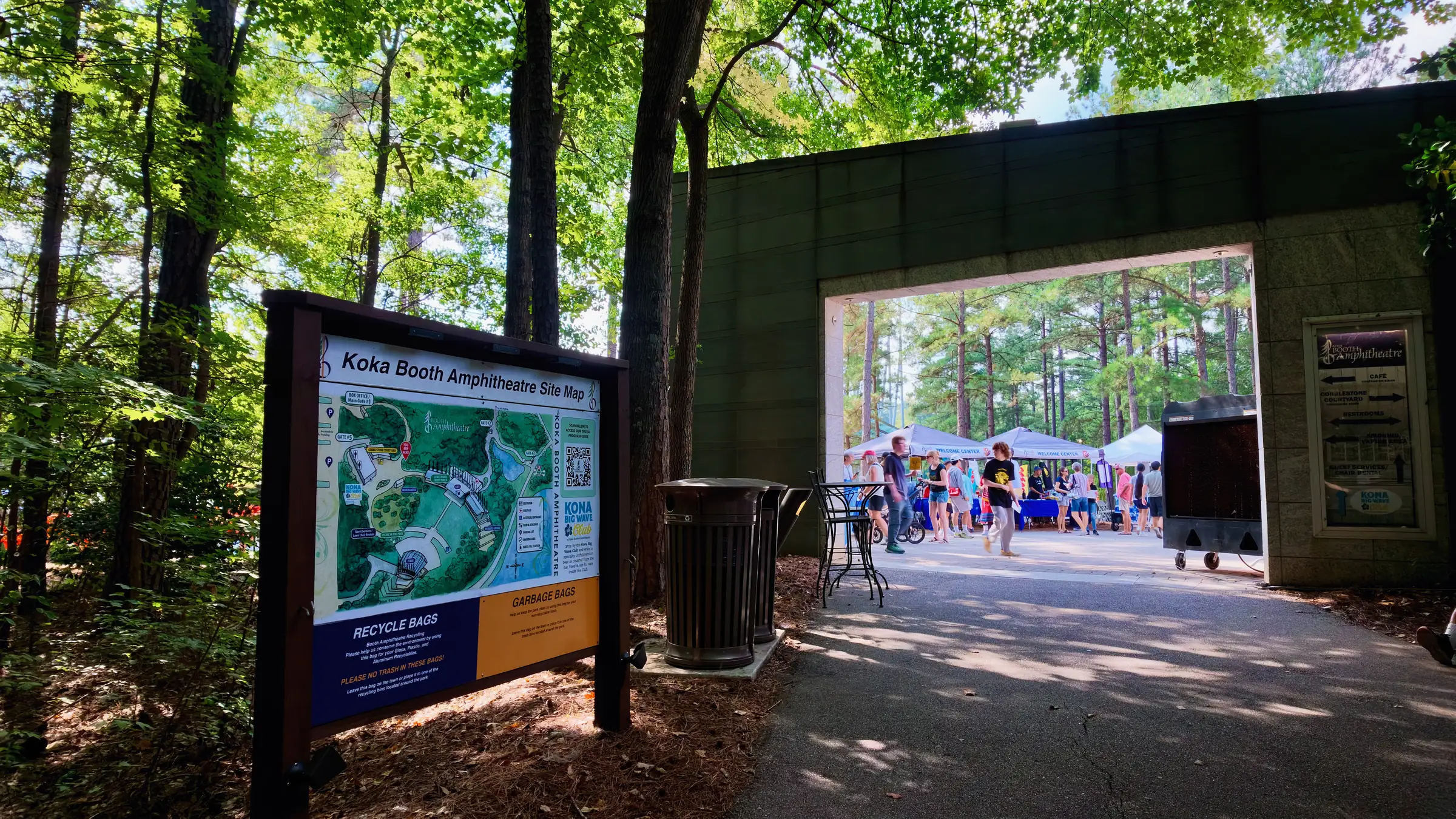
Cary hosts a cluster of sports facilities including WakeMed Soccer Park and the USA Baseball National Training Complex, both of which draw regional and national tournaments, and Koka Booth Amphitheatre, an outdoor concert venue at Symphony Lake used for touring shows and the North Carolina Symphony’s summer season, per the venue’s own listings. These are destination trips built around a specific game, meet, or show — check the relevant venue’s schedule before planning a visit around one, since none of them have a walk-up “browse and see what’s on” experience the way downtown does.
What doesn’t this guide cover, and who should look elsewhere?
This is not a nightlife guide, and Cary is not built around one in the way some parts of Raleigh are. It’s also not a shopping guide — this page is organized around what a visitor is trying to do, and a directory entry for a specific mall or shopping center doesn’t serve that, so it’s left out rather than added for its own sake. If you’re trying to decide between Cary and a neighboring town rather than just visiting, our Cary vs. Raleigh and Cary vs. Apex vs. Holly Springs comparisons are a better starting point than an attractions list.
| What you want | Where to go | Roughly how long | Best for |
|---|---|---|---|
| A playground and splash pad within walking distance of food | Downtown Cary Park | 1–2 hours | Families with young children |
| A lake, trails, and a boathouse for a longer outing | Fred G. Bond Metro Park | Half a morning or afternoon | Families and anyone wanting a longer walk |
| A walkable lunch and stroll for a short visit | Downtown Cary (Chatham & Academy streets) | 2–3 hours | A visiting parent or out-of-town guest |
| A feel for daily-life geography, not a sightseeing loop | A greenway segment plus a downtown walk | Half a day | Someone deciding whether to move here |
| A tournament, match, or outdoor concert | WakeMed Soccer Park, USA Baseball National Training Complex, or Koka Booth Amphitheatre | Half a day to a full day, schedule-dependent | Sports families and concertgoers |
Is Cary a one-day destination or a multi-day one?
Most of what’s listed above can be done in a single day if you pick two or three items rather than all of them; downtown plus one park is a realistic day. Treating Cary as a multi-day base makes more sense if the goal is evaluating it as a place to live, which is a different exercise from sightseeing and is better served by walking ordinary streets at ordinary hours than by adding more attractions to the list.
Elsewhere in the Triangle
- Apex, North Carolina: A Buyer’s Guide to the Town
- Cary, NC Commute Distances and Routes to RTP, Raleigh, and RDU
- Morrisville, NC ZIP Codes: What They Cover, and What They Don’t Tell You
- Towns Near Cary, NC: How They Actually Compare
- What Is the Triangle in North Carolina?
- Cary vs. Johnston County: Why Wake’s Households Leave, and What It Costs Them
- Relocating to the Triangle
About the author
Cameron Smith writes Move Up NC’s real estate guidance for Cary, Morrisville and the North Carolina Triangle.
Editorial note: This article describes an area in general terms and does not rank neighborhoods or schools, or provide legal, financial or Fair Housing advice.